
Differences between Filtered and Unfiltered Oil
Every year, with the arrival of the new oil campaign, a frequent question returns: is it better to use filtered or unfiltered extra virgin oil? It’s not just a matter of taste: there are differences in appearance, storage and use. In this guide we will see the advantages of both types and help you choose the oil best suited to your needs.
What unfiltered extra virgin oil means.
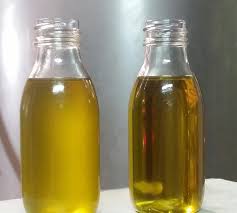
Unfiltered extra virgin oil is freshly pressed oil, which retains micro-particles of pulp and vegetation water. This makes it naturally cloudy and cloudy.
- Appearance: dull green.
- Nose: intensely fruity and fresh.
- Taste: firm, with herbaceous and sometimes more pronounced bitter and spicy notes.
- Ideal consumption: fresh, within a few months after pressing.
It is the oil that gives the feeling of the “freshly made mill,” perfect for those who love authentic, rustic flavors.
👉 Discover our Contedoro Unfiltered Oil
What extra virgin filtered oil means
Thefiltered oil is passed through natural materials that remove water and residual impurities. The result is an oil that is clear, bright and more stable over time.
- Appearance: transparent yellow-green.
- Scent: clean, defined.
- Taste: harmonious and persistent.
- Storage: lasts longer without risk.
👉 Discover our Contedoro Filtered Ravece Oil
Main differences between filtered and unfiltered
| Feature | Unfiltered | Filtered |
|---|---|---|
| Appearance | Cloudy, veiled | Clear, bright |
| Perfume | Intense, fresh | Clean, defined |
| Taste | Rustic, purposeful | Balanced, harmonious |
| Conservation | Short (to be consumed within a few months) | Long (even over 12 months) |
| Ideal use | Bread, bruschetta, raw tasting | Daily use, cooking and raw |
Which one to choose?
There is no “absolute best” -filtered and unfiltered are two different experiences.
- If you want to experience the magic of new oil, with fresh and intense aromas, choose unfiltered, perfect for bruschetta, legumes and traditional dishes.
- If you are looking for a stable oil that can be used year-round, in cooking and raw, choose filtered, which is safer and more versatile.
- Many consumers choose both: unfiltered for the fall and winter months, filtered for the rest of the year.
The example of the Ravece Contedoro
The Ravece cultivar, typical of Irpinia, expresses best in both filtered and unfiltered versions.
- Our Ravece Filtrato Contedoro is stable, balanced and ideal for every use.
👉 Buy Ravece Filtrato Contedoro - Our Contedoro Unfiltered Ravece is a limited edition, available only at the beginning of the campaign-a unique experience, to be consumed fresh.
👉 Buy Contedoro Unfiltered
FAQ
Is unfiltered oil more genuine? Not necessarily, it is simply less processed. The genuineness depends on the quality of the olives.
Does the filtrate lose quality? No, filtering only removes impurities and water, not polyphenols or flavors.
How long does an unfiltered one last? It should be consumed within a few months of production.
Which is better for cooking? The filtrate, more stable at high temperatures.
Can I use both? Yes: many enthusiasts start the season with unfiltered and continue with filtered.
Conclusion
The difference between filtered and unfiltered extra virgin olive oil is all in taste, appearance and consumption time. Both are great when made from healthy olives and processed with care. The best choice is to try both versions and alternate them in the kitchen: theexperience of unfiltered at the beginning of the campaign and the safety of filtered throughout the year.
👉 Want to try both? Discover the Contedoro line:
-
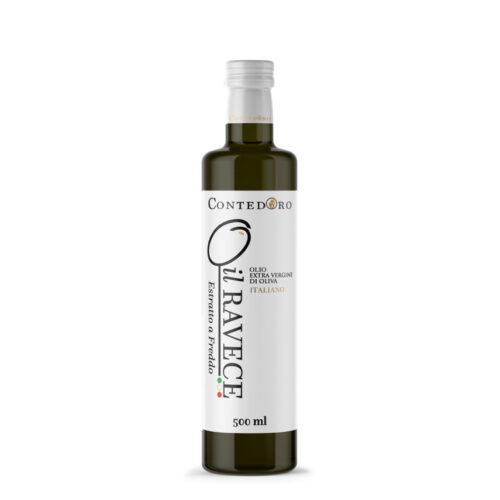 Oil Ravece
 -
 Organic Extra Virgin Olive Oil
 -
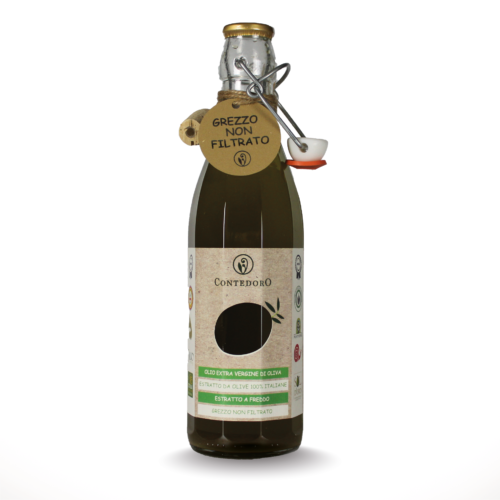 Raw Oil – Unfiltered EVO 0.50 and 5Lt.
 -
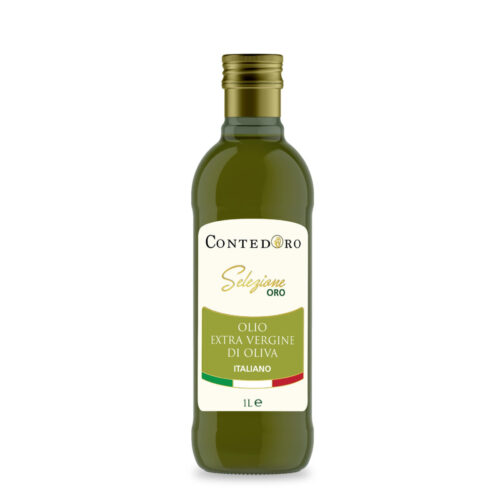 GOLD selection
 -
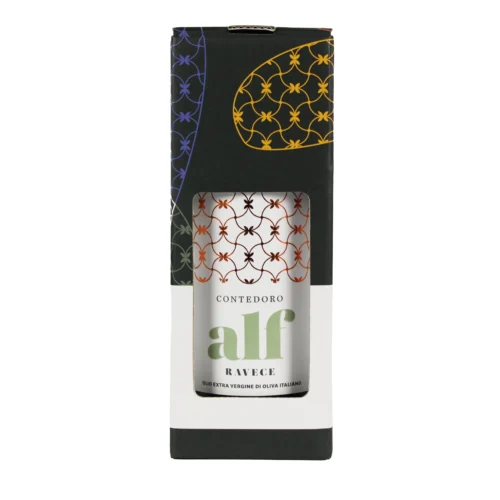 ALF – Ravece Selection
 -
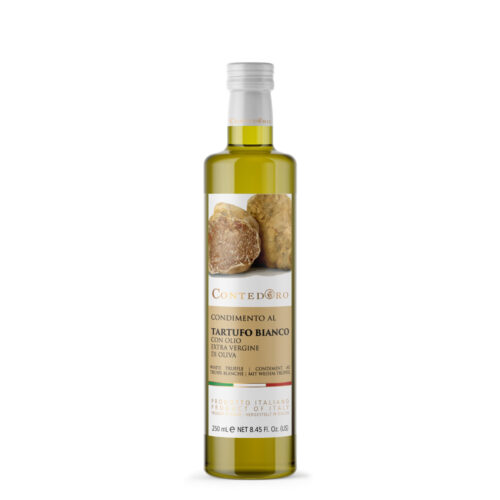 Extra virgin olive oil flavored with white truffle
 -
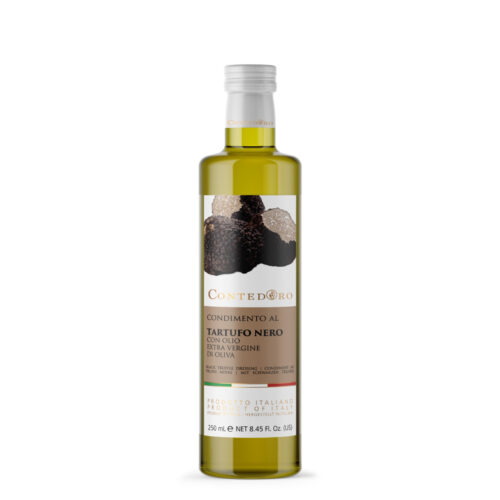 Extra virgin olive oil flavored with black truffle
 -
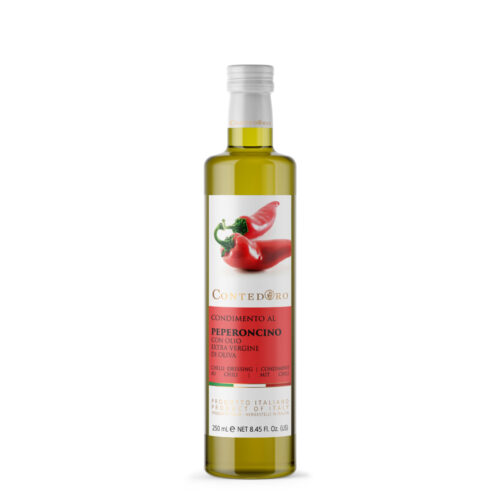 Chili pepper flavored extra virgin olive oil
 -
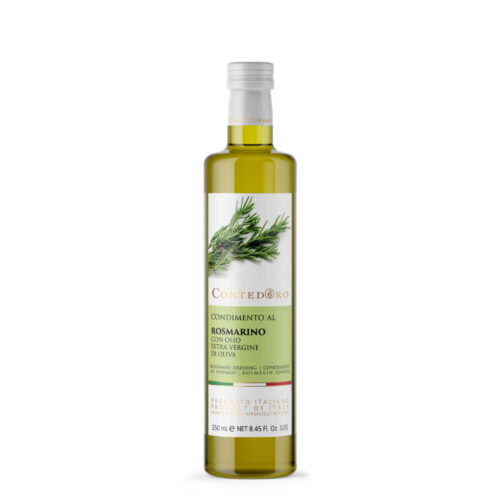 Extra virgin olive oil flavored with rosemary
 -
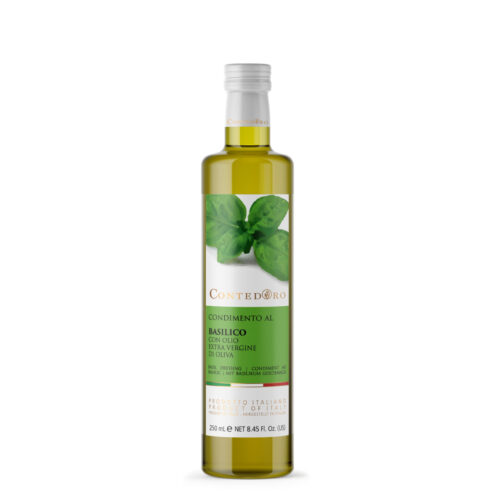 Basil-flavored extra virgin olive oil
 -
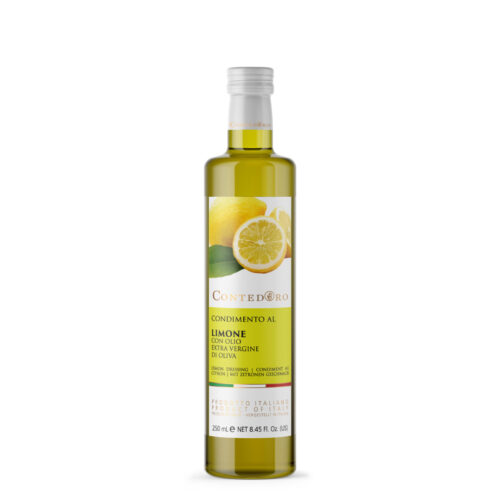 Lemon-flavored extra virgin olive oil
 -
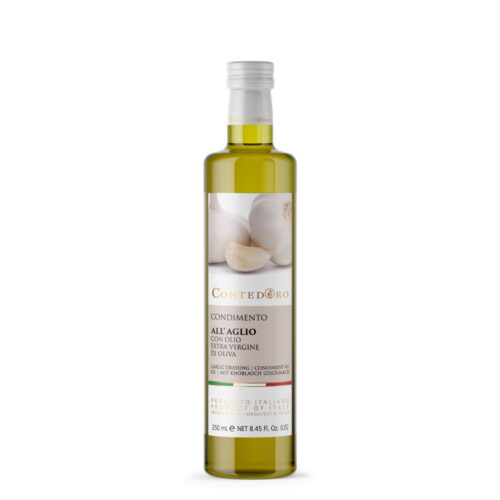 Garlic-flavored extra virgin olive oil

Alfio Lo Conte
Tecnico ed esperto degli oli extravergini di oliva, iscritto nell’Elenco Nazionale sezione Campania.
Maestro di frantoio con diploma, conseguito presso International Extravirgin Agency.
Read more articles by: Alfio Lo Conte


Recent Comments