
How to Prune Olive Trees: A Practical Guide
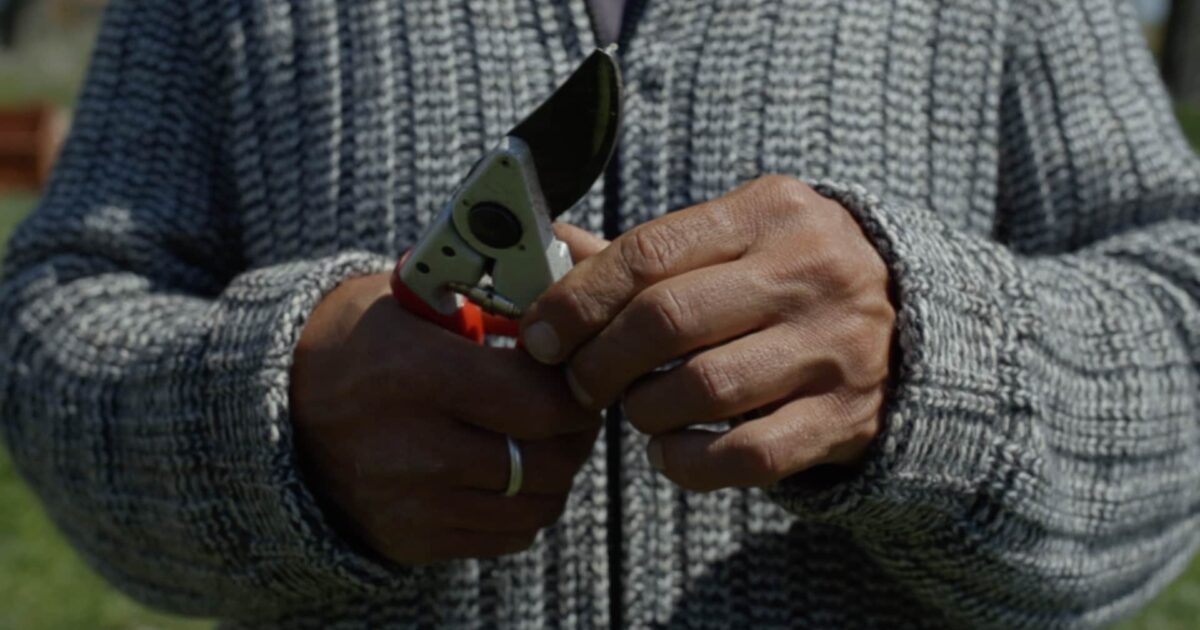
Pruning olive trees is a key practice to ensure the health and productivity of the trees. Pruning olive trees in the correct way helps to ensure a bountiful harvest each year, keep the tree healthy, promote balanced canopy growth, and prevent fungal and parasitic diseases.
Index
Why prune olive trees
Pruning the olive tree promotes proper air recycling between branches and allows the sun’s rays to reach all the leaves. In addition, good pruning allows the plant’s growth to be directed according to soil conditions and the local climate. Pruning the olive tree in the right way also reduces the risk of disease and improves the quality of production.
When to prune olive trees: ideal period
Knowing when to prune olive trees is crucial for good results. In general, the time to prune olive trees is from late winter to early spring, when the risk of frost is reduced and the plant is preparing for the new growing season. However, the period for pruning olive trees can also vary depending on the variety and age of the tree. For example, pruning olive trees in areas with a mild climate, such as southern Italy, can begin as early as February, while in the north it is advisable to wait until April. In any case, it is important to avoid pruning during the colder months so as not to compromise vegetative recovery.
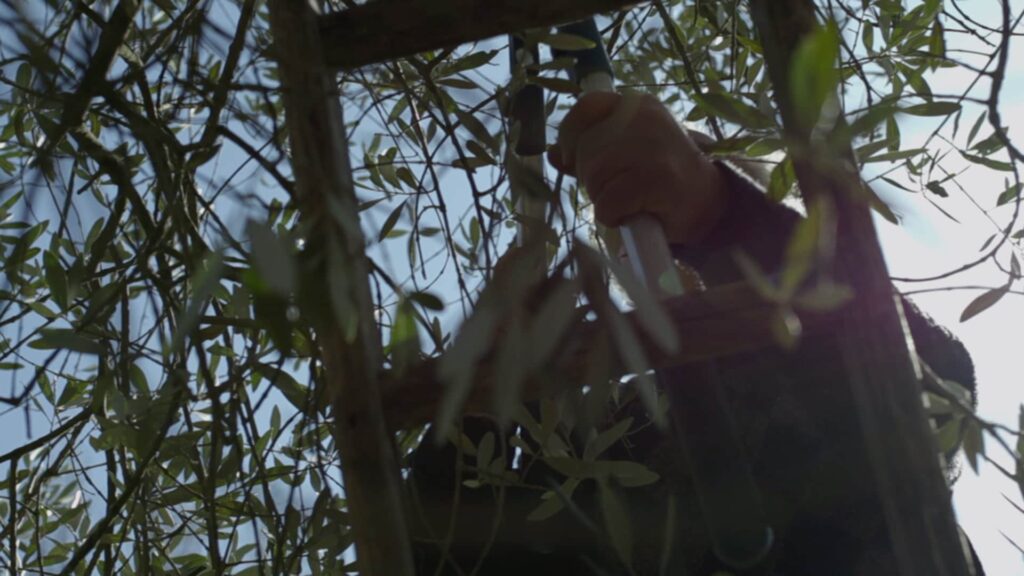
Olive pruning scheme: the main techniques
Depending on the age and condition of the plant, different olive pruning techniques are distinguished:
Training pruning
Used on young plants, this technique is used to shape the structure of the tree. It consists of removing branches that are too close to the trunk and those that intertwine, promoting harmonious growth.
Production pruning
Applied to adult olive trees, it aims to improve production. Dry, damaged or diseased branches are removed, tree height is controlled, and light and air penetration into the canopy is promoted. Olive tree suckers and suckers should be removed regularly to avoid disorderly development.
Rejuvenation pruning
It is practiced on old or neglected trees. This pruning involves deeper cuts and is used to stimulate the growth of vigorous new branches. Often used even on old olive trees, this technique must be done carefully.
How to prune olive trees: practical tips
To know how to prune olive trees, several factors must be considered: the age of the tree, its health condition and the purpose of pruning, which can be ornamental or aimed at production. Some useful tips on how to prune olive trees effectively include removing dry branches and those growing inward from the crown, maintaining an open structure to promote air circulation. It is essential to use well-sharpened and clean tools to prevent disease transmission. Also, olive tree suckers and suckers at the base and inside the canopy should be removed.
Mistakes to avoid when pruning olive trees
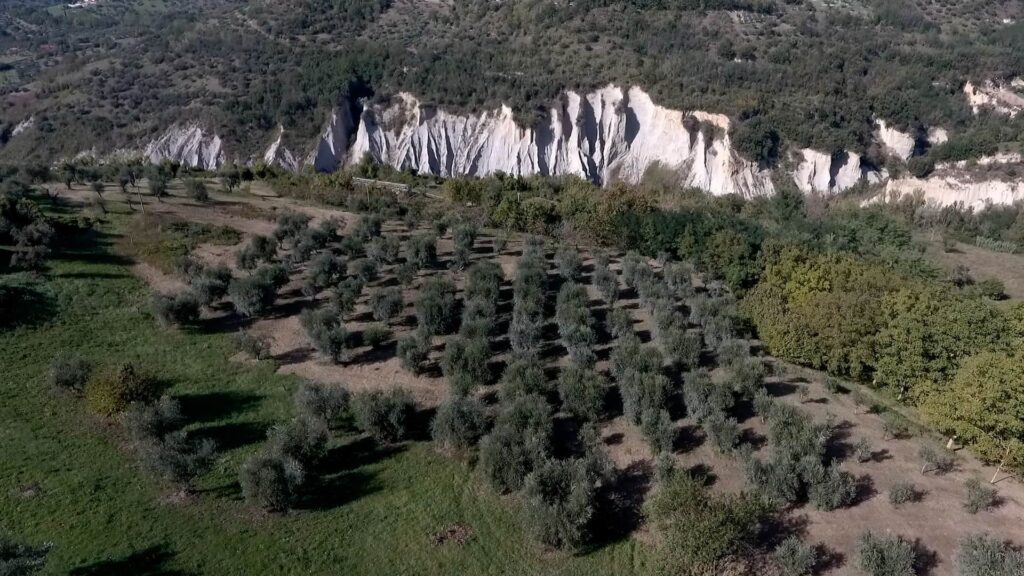
Some of the most common olive pruning mistakes include pruning at the wrong time, such as during frost, making cuts that are too drastic, leaving dry or diseased branches, and using undisinfected or unsharpened tools. Avoiding these mistakes is essential to preserve the health of the tree and ensure consistent production.
Tools for pruning olive trees
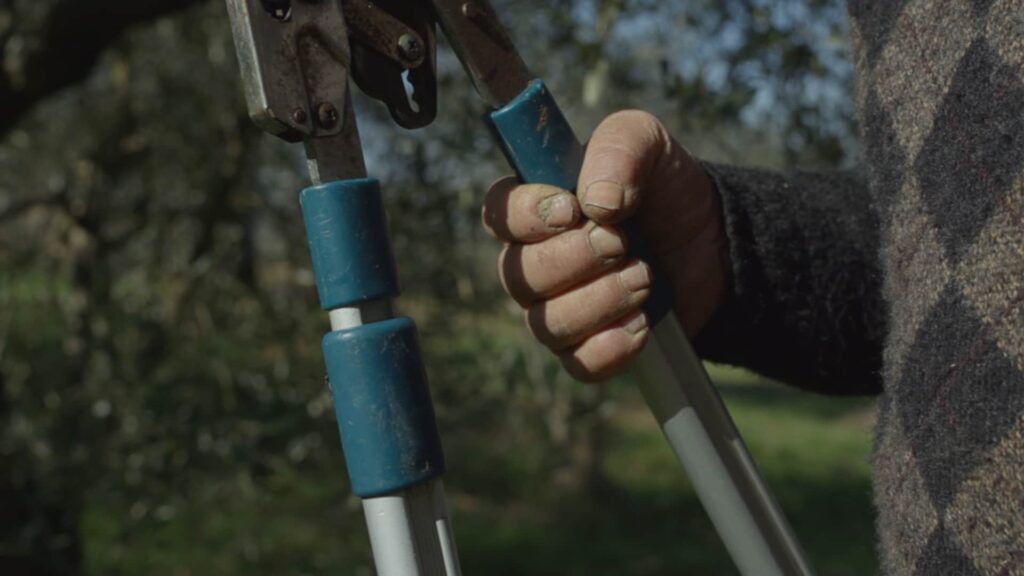
To carry out effective olive pruning, it is essential to have the proper tools. Pruning shears are ideal for small branches, while loppers are suitable for thicker branches. Telescopic lo ppers allow you to reach higher parts without the use of a ladder, and the lightweight hacksaw or chainsaw is suitable for more drastic pruning. Whatever tool you use, it is important to keep it in perfect condition: blades sharp, moving parts lubricated, and tools disinfected.
Final considerations
Olive tree pruning is an indispensable practice for good olive grove management. Knowing when to prune the olive tree, choosing the right technique and using the right tools results in healthier and more productive plants. Each olive tree has its own characteristics and needs a customized approach. By pruning olive trees properly done, you ensure an abundant and quality harvest.
In conclusion, pruning olive trees is not just a matter of agricultural routine, but an act of care that directly reflects on the yield and longevity of the olive grove. If you are wondering how to prune olives, remember that it all starts with knowing the techniques and following the right timing-this is the secret to a strong and generous olive tree.
-
Complete Guide to Tasting Olive Oil
Tastingextra virgin olive oil is not just a matter of taste, but a true ritual capable of revealing the quality and authenticity of the product. For industry professionals and discerning consumers, knowing how EVO oil tasting takes place allows you to distinguish an excellent oil from a mediocre one. In this article, we will guide
-
Guide to the Color of Extra Virgin Olive Oil
When we look at a good extra virgin olive oil, we are often immediately struck by its color: a range from deep green to golden yellow, passing through all the intermediate shades. But is the color of EVO oil just an aesthetic detail or does it tell something more about its quality? In this Contedoro

Alfio Lo Conte
Tecnico ed esperto degli oli extravergini di oliva, iscritto nell’Elenco Nazionale sezione Campania.
Maestro di frantoio con diploma, conseguito presso International Extravirgin Agency.
Read more articles by: Alfio Lo Conte


Recent Comments