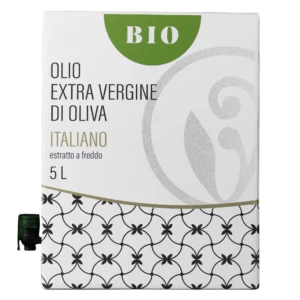
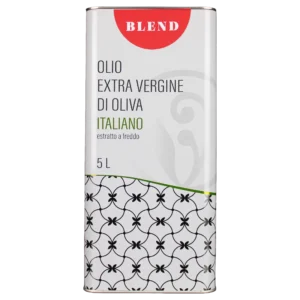
Extra virgin olive oil, known as the liquid gold of the Mediterranean, is a fundamental ingredient in global gastronomy. Celebrated for its rich flavor and nutritional qualities, this oil not only enriches a wide range of dishes but also embodies a millenary history that spans cultures and borders. In modern cuisine, extra virgin olive oil is not just a condiment, but a protagonist that transforms simple ingredients into memorable culinary creations. Its versatility and deep connection to gastronomic tradition make it an irreplaceable element in kitchens worldwide.
INDEX
The history of extra virgin olive oil has its roots in antiquity, with the first traces dating back over 6,000 years in the eastern Mediterranean. Considered a vital element in Greek, Roman, and Egyptian civilizations, the oil was used not only in cooking but also in religious ceremonies, as medicine, and in cosmetics. Its spread along trade routes led to the adoption of this precious liquid in various cultures, influencing cooking methods and dietary habits. Today, extra virgin olive oil is celebrated for its link to the Mediterranean diet, recognized worldwide for its benefits to health and longevity.
Production Process
The production process of extra virgin olive oil is an art that combines tradition and innovation. It begins with the harvesting of the olives, preferably by hand to preserve their quality. The olives are then washed and crushed, including the pit, pulp, and skin, to obtain a paste. This paste is subsequently cold-pressed, a method that keeps the organoleptic and nutritional characteristics of the olives intact. The result is an oil that preserves the pure taste and properties of fresh olives, a key aspect that distinguishes extra virgin oil from other categories of olive oils.
Olive Varieties and Regional Differences
Extra virgin olive oil is a product of exceptional diversity, with over 700 varieties of olives cultivated worldwide. Each variety, from Arbequina in Spain to Koroneiki in Greece, brings unique characteristics of flavor, aroma, and color to its oil. The climatic and territorial differences of the growing regions significantly influence these properties, making each extra virgin oil a reflection of its environment. This regional diversity translates into a wide range of taste profiles, ranging from delicately fruity to intensely spicy, offering chefs and cooking enthusiasts a rich palette of flavors to enhance their dishes.
Health Benefits
Extra virgin olive oil is renowned for its numerous health benefits, largely attributed to its bioactive compounds, including polyphenols and monounsaturated fatty acids. These compounds contribute to the prevention of cardiovascular diseases, thanks to their ability to reduce “bad” LDL cholesterol and increase “good” HDL cholesterol. Extra virgin olive oil is also known for its anti-inflammatory and antioxidant properties, which can play a role in reducing the risk of certain types of cancer and slowing down aging processes. Its regular inclusion in the diet is a pillar of the Mediterranean diet, often associated with greater longevity and a better quality of life.
Culinary Uses
Extra virgin olive oil is a versatile ingredient that enriches a wide variety of dishes worldwide. In Mediterranean cuisine, it is used both for cooking and as a raw condiment, enhancing the flavor of vegetables, meats, and fish. Its resistance to relatively high temperatures also makes it ideal for frying and sautéing. In addition to its traditional use in salads and for seasoning dishes, extra virgin olive oil finds use in innovative recipes, such as in emulsions, marinades, and even in desserts, adding a unique and distinctive flavor note. Its ability to unite and balance different flavors makes it an essential element in contemporary cuisine.
Read also: Homemade Artichokes in Oil, the Best Recipes from All Over Italy
Gastronomic Pairings
Pairing extra virgin olive oil with food is an art that enriches the culinary experience. Choosing the right oil can enhance the flavors of a dish, creating a harmonious balance. Oils with a delicate taste pair well with fish, light vegetables, and salads, while those with a more robust and intense flavor pair perfectly with red meats, spicy dishes, and aged cheeses. Extra virgin olive oil is also an excellent companion for bread, both in the form of bruschetta and as a base for sauces and dressings. Understanding the aromatic profile of the oil is fundamental to creating pairings that enhance the flavors of every single ingredient, taking the cuisine to a higher level.
Storage and Selection of Oil
Proper storage and careful selection are crucial for maintaining the quality of extra virgin olive oil. It is important to store the oil in a cool place away from direct light to preserve its organoleptic properties. Dark glass bottles or stainless steel containers are ideal for protecting it from oxidation. When choosing an extra virgin olive oil, it is essential to pay attention to the expiration date, origin, and quality certifications. Tasting the oil before purchase can reveal notes of fruitiness, bitterness, and spiciness, indicators of a high-quality product. Understanding these aspects ensures the choice of an oil that will not only enrich dishes but also guarantee a true sensory experience.
Current Trends and Innovations
The world of extra virgin olive oil is constantly evolving, with new trends and innovations emerging regularly. Today, we are witnessing a growing interest in single-origin oils and artisanal productions, which offer distinctive flavors and traceability. Attention to sustainability in production and the reduction of environmental impact is becoming increasingly important. In the kitchen, chefs are exploring the use of extra virgin olive oil in unconventional ways, such as in desserts and cocktails. Scientific research continues to discover new health benefits and methods to best preserve the qualities of the oil. These trends reflect a growing appreciation for the quality, variety, and ecological impact of extra virgin olive oil.
Conclusions
Extra virgin olive oil is not just an ingredient, but a cultural heritage that enriches global cuisine. Its history, variety, health benefits, and culinary versatility make it an irreplaceable element in any kitchen. While new trends and innovations continue to emerge, the essence of extra virgin olive oil remains unchanged: it is a symbol of tradition, quality, and taste. This “liquid gold” will continue to play a fundamental role in the culinary arts, bringing with it a legacy of flavors and stories that resonate through the centuries.