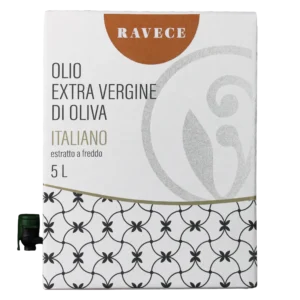


Extra Virgin Olive Oil is the staple ingredient of the Mediterranean diet, which, through scientific studies, has demonstrated a close correlation with longevity.
The close correlation between extra virgin olive oil and longevity was discovered by two American physiologists, Ancel Keys and his wife Margaret Haney. The couple first arrived in Italy in 1951 to hold a congress in Rome on human nutrition.
All the reports focused on food shortages and vitamin deficiencies, especially in underdeveloped countries. When the two scientists mentioned the link between coronary heart disease and diet, none of the Italians present showed particular interest. Dr. Gino Bergami, a professor of physiology at the University of Naples, stated that cardiovascular diseases were not a major problem in Italy, especially in the southern regions.
After their return to Oxford, the two American experts, skeptical of the Neapolitan scholar’s claims, accepted his invitation and decided to return to Italy—specifically to Naples—to verify them personally. This second trip to the Mediterranean acted as a rite of passage that transformed the two protagonists, leading to their rebirth and changing the history of nutritional science. Upon arriving in Naples, the Keys immediately analyzed blood samples from a group of adult males consisting of both laborers and members of the middle class, finding negligible cholesterol levels.
At that point, it became clear that poor Neapolitans ate more healthily than wealthy Americans. Following these results, the couple extended their research to all nations in the Mediterranean basin, consistently finding the same conclusion and a very low incidence of cardiovascular disease. What united these populations was the now-famous Mediterranean triad, consisting of CEREALS, WINE, AND OIL. In fact, these populations lived essentially on vegetables, fruit, pasta, bread, few dairy products, and very little meat, all seasoned exclusively with olive oil, the main ingredient of the Mediterranean diet.
After these discoveries, the Mediterranean lifestyle became a life practice for Ancel and Margaret Keys and a body of knowledge to be spread throughout the Anglo-Saxon world. From this came their idea to promote a diet low in fat but rich in flavor and never monotonous, seeking to demonstrate that in matters of health, culture and knowledge are more decisive than genetics and heredity. Thus, in the Cilento National Park, in the province of Salerno, the Keys established their Mediterranean buen retiro, stating that they had decided to come and live in Cilento to extend their lives by twenty years.
Around their villa, they planted about ninety olive trees, scattered here and there, from which they obtained their precious oil; but the Keys’ love for olive oil stemmed from a long analysis of epidemiological data provided by their studies, placing it in first place among fats intended for seasoning. Even then, the Keys warned consumers against the use of hydrogenated fats and recommended reading labels.
The consumption of this plant product, rich in antioxidants and other precious components, is, according to the two scientists, the main reason why Mediterranean peoples are healthier and live longer than their compatriots who have been seduced by new dietary trends.
The relationship between extra virgin olive oil and longevity is due to its antioxidants.
In its chemical composition, we find vitamin E (tocopherol) and other phenolic compounds. These are all molecules capable of defending the human body from premature aging by fighting free radicals. The latter are the main culprits of cellular damage typical of aging. They are particularly reactive forms of oxygen, or very powerful molecules capable of damaging DNA and, in the long run, triggering the genesis of tumors. Thanks to the oil, the antioxidants contained within it neutralize dangerous radicals, thus ensuring longevity for the cells.
There are now many scientific works that correlate diet and the formation of neoplasms. The Mediterranean Diet is capable of reducing the incidence of colon cancer by 25%, breast cancer by 15%, and prostate, pancreatic, and endometrial cancer by 10%. Many studies identify extra virgin olive oil as a food that has significant power in reducing the incidence of some of these tumors, demonstrating that poor dietary habits are responsible for about three out of ten cases. By replacing 5% of total calories with monounsaturated fatty acids, such as those present in extra virgin olive oil, instead of saturated fats, there is a statistically significant reduction in the risk of developing breast cancer and colorectal cancer. Epidemiological studies have shown that the incidence of certain types of cancer is relatively low in the Mediterranean basin compared to that of Northern European and North American countries.
Furthermore, the effects of the minor compounds in extra virgin olive oil have been highlighted, as it is precisely these that possess marked anti-tumor activities confirmed in both in vitro and in vivo experiments. The phenolic fraction has been shown to possess antioxidant properties against DNA-mutating agents, inhibiting proliferation and promoting apoptosis in various tumor cell lines. Among these compounds, the oleuropein present in the drupes has demonstrated the ability to inhibit factors that promote the formation of new blood vessels, which are essential for the survival of neoplastic cells. Studies on breast carcinoma cell cultures treated with the phenolic fraction of extra virgin olive oil found a reduction in the Her2 receptor present in 20-25% of the most aggressive breast cancers with a poor prognosis. The Her2 receptor present on the membrane of tumor cells acts as a signal amplifier, inducing the tumor cell to proliferate; therefore, these compounds possess anti-proliferative tumor activity. Extra virgin olive oil has shown, in in vitro and animal experimental models, anti-inflammatory activity by reducing the activity of Cox 2 [cyclooxygenase], which is involved in the development of colon cancer.
A constant intake of extra virgin olive oil provides valid protection to the mucosa of our intestine. Among the substances with anti-tumor action is also squalene, a hydrocarbon that exerts an antioxidant action on the skin against ultraviolet rays, preventing photo-induced damage which, in association with other factors, favors the appearance of skin tumors. Extra virgin olive oil is the main dietary source of the antioxidant DHPEA-EDA, which, compared to other phenols present in different oils, is one of the most effective even at low doses in countering the oxidative stress of free radicals and LDL cholesterol.
In addition to cancer prevention, extra virgin olive oil is an essential food in children’s diets because it contributes to bone formation, the brain’s myelinization process, and growth, and is an excellent aid for the immune system. It helps preserve bone health and facilitates liver activity by regulating intestinal function. Its consumption reduces the risk of gastric and duodenal ulcers, exerts a laxative action—more effective on an empty stomach—and corrects chronic constipation. It has a protective effect against the formation of gallstones. Extra virgin olive oil is the only 100% digestible oil.
The discoveries made by the Keys and the studies conducted by more recent scientists demonstrate that the daily intake of extra virgin olive oil can be the most natural solution for a long and healthy life. Obviously, being a fat, it must be consumed in moderation, and about four tablespoons a day are recommended for seasoning your food.
Today, the onset of many food-related diseases can be attributed to the lack of knowledge consumers have regarding the different fats used in the kitchen, such as oil, butter, and margarine; they often wonder which is the most suitable for maintaining a healthy and balanced diet.
Fats are important and essential nutrients in the diet. In fact, in addition to providing energy, they are part of the composition of tissues and hormones and carry important vitamins throughout the body.
In a healthy and balanced diet, fats should provide about 30% of daily calories: this means that an adult can consume a total of 60 to 80 grams every day.
Furthermore, in a healthy and balanced diet, it is necessary to consume the right fats—those that have a low cholesterol content combined with a high content of unsaturated fatty acids. All pure fats provide exactly the same amount of calories: 9 Kcal per gram.
Butter and margarine, not being pure fats, provide slightly fewer calories than oil, which is a pure fat.
However, it is a mistake to evaluate which fats to include in your diet based solely on the calories they provide: instead, you must consider their origin—whether animal or vegetable fats—and their consistency—whether solid or liquid.
Now we will briefly explain the differences between these three fats.
It is a pure oil of vegetable origin. It has a high percentage of monounsaturated fats and is in a liquid state at room temperature. Thanks to this characteristic, it does not deposit in our blood vessels, thus reducing the onset of cholesterol; all the beneficial properties described previously are associated with it. During cooking, it undergoes fewer alterations than other oils, precisely because monounsaturated fats are more stable at high temperatures. Therefore, in addition to seasoning, it is also ideal for cooking and frying.
It consists of a mixture of oils such as palm, coconut, peanut, soybean, and rapeseed oil, obtained through refining and subsequently hydrogenated. This means hydrogen atoms are added to these oils to make them solid at room temperature; sometimes additives are also added to make them more stable and preservable over time. Margarine has no cholesterol, but its hydrogenated fats turn into “trans” fatty acids, which increase the level of LDL cholesterol in the blood and therefore favor the onset of pathologies such as atherosclerosis. Thus, the idea that it is good for health because it is cholesterol-free is not entirely true.
It is of animal origin and is a saturated fat. It is the fatty part of milk, separated from the buttermilk and condensed. It is rich in essential nutrients such as calcium, vitamins, and proteins. It is obtained by mechanical means and is digestible because it is rich in short-chain fatty acids; but being of animal origin, it contains saturated fatty acids such as palmitic acid and cholesterol. It cannot be used for frying because, in addition to being indigestible, it becomes enriched with toxic substances.
All this demonstrates once again that extra virgin olive oil is the ingredient par excellence from all points of view. It is obtained naturally through mechanical extraction, does not undergo chemical processes, is genuine, is healthy, imparts unique flavors and aromas, and can be used for all types of culinary preparations, both raw and cooked.