
Olive Tree Pruning, Why is it Important and How to Do It Correctly?

To always have healthy olive trees, it is important to prune them regularly and follow some basic rules, as well as refer to an expert or specialized guidance. However, in this article, we will look in detail at why olive tree pruning is important and how to do it correctly, providing all the information and instructions needed to do it effectively and safely.
INDEX
- The importance of pruning the olive tree
- Pruning techniques, what are they? Here are the 4 most popular and widely used
- How to perform proper pruning of the olive tree?
- Olive tree pruning tools, which ones to prefer?
The importance of pruning the olive tree
Pruning the olive tree is a key operation in the care and maintenance of the tree, as it allows it to encourage healthy and productive growth of branches and fruit. In this article we will see why it is important and how to properly prune the plant so that it can benefit.
By pruning, it is possible to remove dry or damaged branches, which can be an ideal breeding ground for the spread of diseases and pests, and to encourage the production of new buds, which in turn will give rise to healthy, abundant and good-quality fruit.
Pruning is important because it also allows the tree’s shape to be adjusted, removing branches that grow exuberantly or are inside the crown, so as to encourage good exposure to light and subsequent growth. In this way, the tree will be able to grow in a healthy and productive way, providing high quality olives in order to obtain an extra virgin oil excellent.
Read also: Types of Olives, The Most Widespread Families in Italy.
In addition, pruning also improves canopy aeration by leaving sufficient space between branches to promote air circulation and prevent moisture accumulation as well as the amount of fruit produced by the tree.
In summary, pruning the olive tree is a key operation for the care and maintenance of the tree to promote healthy and productive growth of branches and fruit, adjust the shape of the tree, prevent root rot, improve canopy aeration, and regulate the quantity of fruit.
Pruning techniques, what are they? Here are the 4 most popular and widely used
Pruning techniques are specific methods used to work on the form and growth of the olive tree. There are different pruning techniques, which are used depending on the needs and problems of the tree.
Here are some of the most commonly used pruning techniques:
- Training pruning: is done on young trees in order to give them the desired shape and promote the growth of healthy branches.
- Production pruning: this is done on adult trees and is used to remove dry or damaged branches, encourage the production of new buds and regulate the amount of fruit.
- Repotting pruning: is used to reduce the size of the tree if it is growing too exuberantly or to correct shape problems.
- Reconstruction pruning: is used to remove damaged or dry branches and to encourage the growth of new branches.
In any case, we always recommend to be careful and rely on an expert to choose the most appropriate pruning technique for the situation and perform the task safely, as it is an activity that could be dangerous since cutting tools are used!
Read also: DIY olive fly traps
How to perform proper pruning of the olive tree?
Here are some tips for performing pruning effectively and safely:
- Use well-sharpened and sterilized tools: it is important to use well-sharpened and sterilized tools to avoid damaging branches and transmitting diseases to the tree.
- Cut branches within a few millimeters of the insertion point: branches should be cut within a few millimeters of the insertion point to promote wound healing.
- Carry out pruning during the dormant period: pruning should be carried out during the dormant period, that is, in winter or early spring.
- Give the tree a well-balanced shape: it is important for the tree to have a well-balanced shape that allows good exposure to light.
- Encourage the production of new buds: it is important to remove dry or damaged branches and encourage the production of new buds, which in turn will give rise to healthy, good-quality fruit.
- Adjust the amount of fruit: the amount of fruit should be adjusted so as not to stress the tree, and the fruit should be evenly distributed on the branches. It is advisable not to exceed 20-25 kilograms of olives per plant in order to avoid overstressing the tree. To adjust the amount of fruit, some of the buds on the branches can be removed, especially if the tree is young or has been under stress due to disease from the olive fly or other factors.
Olive tree pruning tools, which ones to prefer?
What are the best tools for pruning olive trees? Below we will list a few to make it easier for you to find the ones that are really useful.
Olive pruning tools are specific tools used to work on the shape and growth of the tree. Here is some information on the most commonly used olive tree pruning tools:
- Shears: shears are the most commonly used tools for pruning olive trees. There are different types of pruning shears, such as hand pruning shears, battery pruning shears and petrol pruning shears, which differ in power type and power. Shears should be used to cut small and medium-sized branches.
- Hedge trimmers: hedge trimmers are electric or petrol-powered tools used to cut larger branches. They are equipped with an oscillating blade that allows them to cut branches more easily.
- Percussion drills: percussion drills are electric or petrol-powered tools used to drill into branches to allow nails or other substances to be inserted.
- Buckets: buckets are useful for collecting cut branches
-
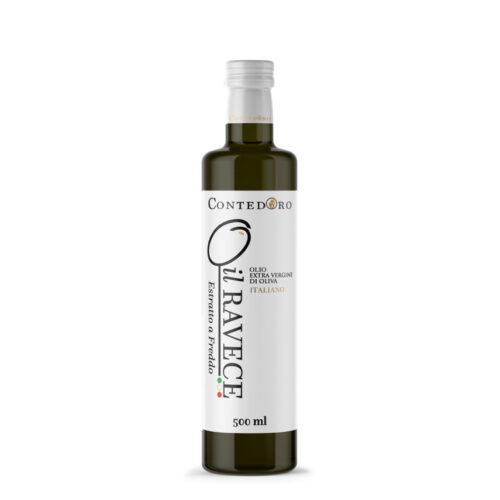 Oil Ravece
 -
 Organic Extra Virgin Olive Oil
 -
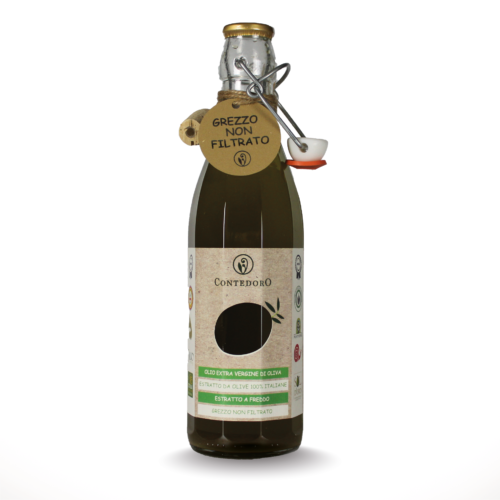 Raw Oil – Unfiltered EVO 0.50 and 5Lt.
 -
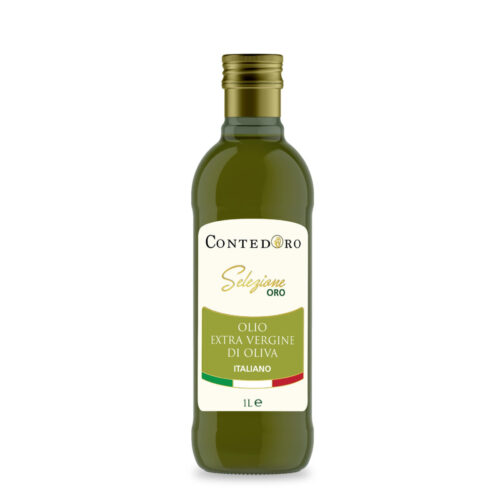 GOLD selection
 -
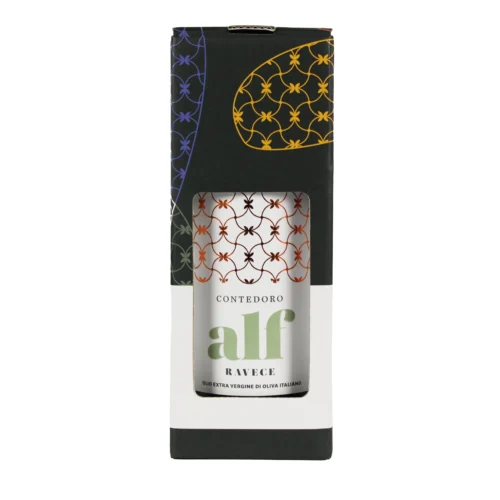 ALF – Ravece Selection
 -
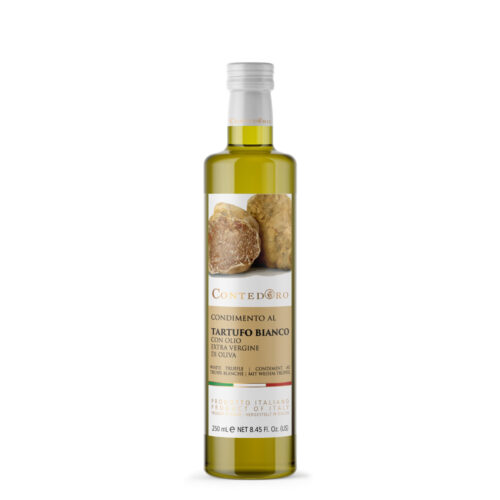 Extra virgin olive oil flavored with white truffle
 -
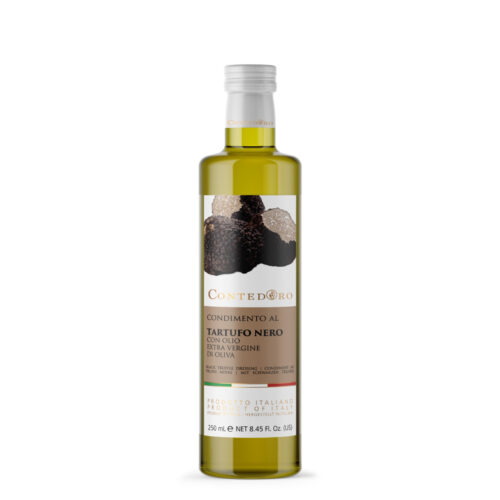 Extra virgin olive oil flavored with black truffle
 -
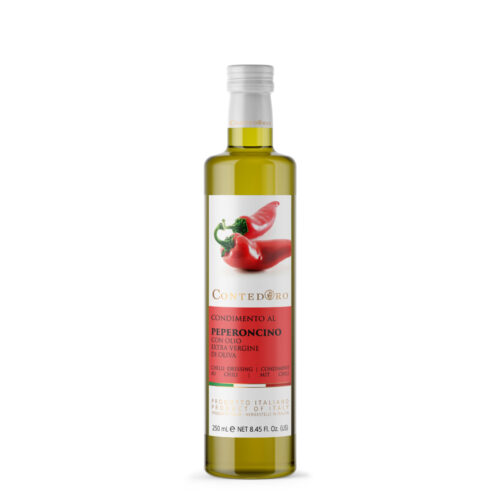 Chili pepper flavored extra virgin olive oil
 -
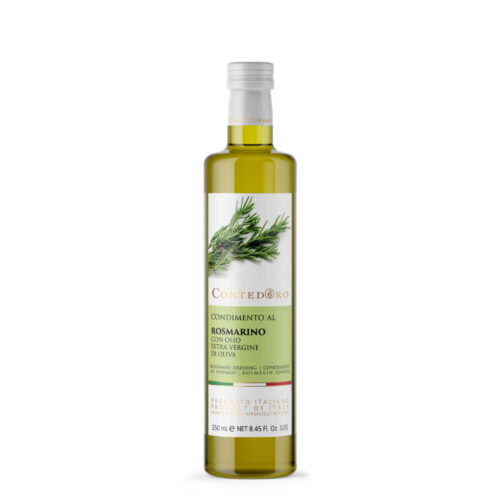 Extra virgin olive oil flavored with rosemary
 -
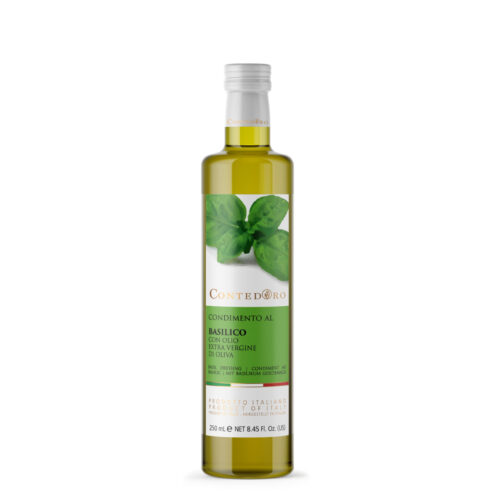 Basil-flavored extra virgin olive oil
 -
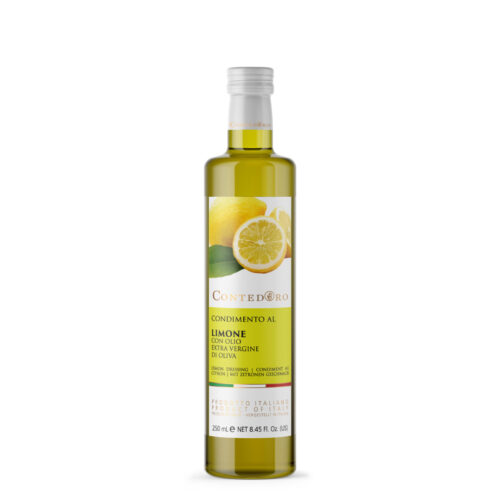 Lemon-flavored extra virgin olive oil
 -
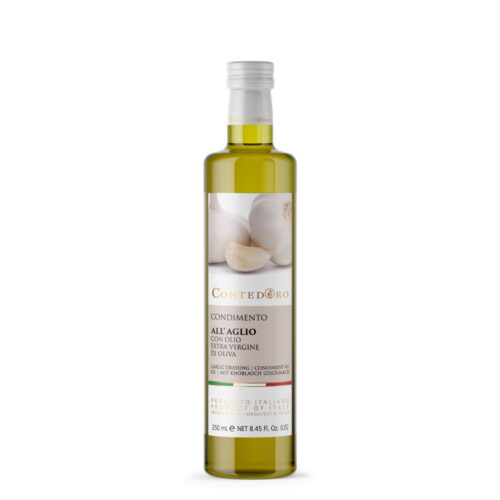 Garlic-flavored extra virgin olive oil

Alfio Lo Conte
Tecnico ed esperto degli oli extravergini di oliva, iscritto nell’Elenco Nazionale sezione Campania.
Maestro di frantoio con diploma, conseguito presso International Extravirgin Agency.
Read more articles by: Alfio Lo Conte


Recent Comments