There was once a saying, “new oil, old wine,” and correctly so. While wine improves with time, we cannot say the same for oil, which should instead be consumed within a year of production to avoid losing its properties.
But let’s look in more detail at whether we can say that olive oil expires, how long a good extra virgin olive oil lasts, and how to use it if it is an oil produced in the previous year.
INDEX
In general, olive oil does not expire in the same way that milk does. In fact, while milk can be harmful to health if ingested after a certain period, olive oil is not. Over time, oil loses its organoleptic properties, but it can be consumed even after the expiration date without damaging your health.
Read also: Specific gravity of olive oil: what it is and how to calculate it
What is certain is that the average shelf life of olive oil is not particularly long: in fact, it is preferable to consume olive oil within 12/18 months of production. Essentially, it is best to consume the oil in the year of production. Legal terms indicate a maximum period of 18 months. But what if we exceed that date? Let’s clarify this point.
Olive oil expiration date
On olive oil bottles, an expiration date is not strictly indicated, but rather the phrase “best before.” This is because olive oil, even after 18 months from production, is not harmful to health. It will simply have altered chemical and physical characteristics, such as acidity. But can we say this for all olive oils? Do some olive oils keep better than others? And how can we consume an oil that has passed its recommended consumption date?
Read also: Unfiltered oil: properties, differences, and curiosities
Olive oil expiration and polyphenols
Not all olive oils are the same and not all keep in the same way. For this reason, we can make a distinction regarding the preservation of oils based on the presence of polyphenols in the oil.
In general, we can say that the higher the quantity of polyphenols present in the extra virgin olive oil, the longer the shelf life.
In fact, the high concentration of polyphenols preserves its taste and smell, making the oil last longer over time. Polyphenols have antioxidant properties that make the oil more or less bitter (you can find more information here). The richer the oil is in polyphenolic compounds, the more bitter it is, and the longer it lasts.
Therefore, an oil with a minimal amount of polyphenols will be a light fruity oil with a short shelf life of around 12 months; an oil, stored correctly, that has a medium polyphenol value and is characterized by a medium fruitiness, could last up to 2 years.
Read also: Olive Oil Calories and Nutritional Values
If we have an intensely fruity oil, rich in polyphenols, it could last even longer. Ultimately, a very fruity oil, with a bitter and pungent flavor, lasts longer than a delicately fruity oil.
Olive oil storage: timing and methods
While we have seen that it is best to consume olive oil within a year or a year and a half of production, we must also say that it is important to store it correctly. It is now common practice to store oil in dark bottles, which do not allow light to alter the oil’s properties. Furthermore, the storage temperature should not be too high.
An ideal temperature between 12° and 18° C is recommended. For this reason, even in the kitchen, it is best to store oil away from heat sources such as ovens and stoves, but it is even better to keep it in cool, dry cellars. Furthermore, oil does not like air. Once the bottle is opened, it must be consumed within a reasonable time.
Air oxidizes the oil and causes its flavor to change. For this reason, current regulations prohibit the use of open oil cruets or flasks in restaurants and mandate the use of anti-tamper caps. Only bottles of extra virgin olive oil packaged in original bottles that cannot be refilled are allowed, precisely to avoid mixing old oil with new and having sediment that significantly alters the taste. That said, at home we can still keep our hand-decorated jars in which to store the oil to be placed on the table.
In this case, however, we strongly advise you not to refill the oil but to consume it completely, clean out any sediment, and only then add the new oil.
Read also: Gourmet Food Favors
Expiring olive oil
Having established that olive oil does not expire but rather loses some of its qualities, we can also say that it is better to avoid using an oil that was packaged more than a year and a half ago for raw consumption. But what if you have old oil at home because you forgot a bottle at the back of your pantry?
You can always use it in an alternative way. Have you ever thought of using olive oil for frying? In this way, you can obtain delicacies while avoiding throwing away an oil that can still be used, albeit with different methods. If you want to learn more about why you should fry with olive oil, you can read our dedicated article here.
We recommend, however, that you do not use an oil produced more than 3 years ago, at least for cooking.
Ultimately, the best use we can make of olive oil is within the year of production. It is therefore better to purchase only the quantity necessary to cover your family’s needs, without exceeding the amounts.
Pay Attention to the Olive Oil Campaign
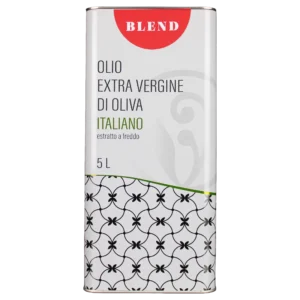
To close this article, we want to emphasize a bad habit that many Extra Virgin Olive Oil producers seem to have acquired. That is, they mix oil from previous oil campaigns (often oxidized) with the new oil of the current year (more fragrant).
By doing so, they avoid throwing away the old oil, or at least selling it off as it is no longer up to standard, passing it off as new oil and keeping the price of the blend always in line with that of the current year’s oil.
By the way, to find out how much an Italian EVO oil costs, click here and read the dedicated article.
This unfair practice is very widespread and harms the consumer, which is why our advice is always to rely on extra virgin olive oils that show the year of the oil campaign on the bottle.
This is because the aforementioned tricksters, by law, cannot display the year of the oil campaign, which is why its presence on the bottle becomes a guarantee for the buyer!
So watch out, rely only on serious producers of extra virgin olive oil, producers who also inform you of these little-known practices, and above all read the label carefully, ensuring the presence of the oil campaign on the packaging!