
Tasting extra virgin olive oil is not just a matter of taste, but a true ritual capable of revealing the quality and authenticity of the product. For industry professionals and discerning consumers, understanding how EVOO tasting works allows you to distinguish excellent oil from mediocre oil. In this article, we will guide you through the tasting phases, sensory characteristics, and tools used during professional oil tasting.
The sensory analysis of olive oil is a codified procedure, fundamental for the classification of extra virgin olive oil. It is performed by a panel test composed of 8-12 professional tasters, each trained through recognized courses. Each member analyzes the product in an isolated booth and completes an organoleptic evaluation sheet, highlighting positive attributes (fruity, bitter, pungent) and defects (rancid, vinegary, musty). The panel’s outcome determines whether the tested oil falls into the “extra virgin,” “virgin,” or “lampante” category.
During the tasting of extra virgin olive oil, the taster follows a precise protocol that involves smell, taste, and touch.
Between one sample and another, sparkling water or a slice of green apple is used to neutralize the palate.

A quality extra virgin olive oil is always characterized by a distinct fruity note, balanced bitter notes, and a more or less pronounced pungent sensation. Here are some common sensations:
Among the most common defects:
The classic tasting glass is made of blue glass, compliant with IOC standards. There are also extra virgin olive oil tasting kits that include glasses, sensory sheets, and reference samples. Some producers offer oil tasting sets designed for training or promotional purposes.
An oil taster is a professional trained through courses recognized by the Regions. Those wishing to pursue this path can participate in an EVOO tasting course and obtain a physiological suitability diploma. At that point, they can be included in official panels.
Even at home you can experience EVOO tasting. Pour the oil into a small glass, warm it slightly with your hand, and smell it. Then taste it using the technique described above. The important thing is to focus on the balance between sensations and recognize any anomalies.
If you notice a flat taste, too sweet, or lacking aroma, the oil may be oxidized or not extra virgin. Conversely, a bitter and pungent oil, rich in vegetal aromas and persistent, will almost certainly be a high-quality product.
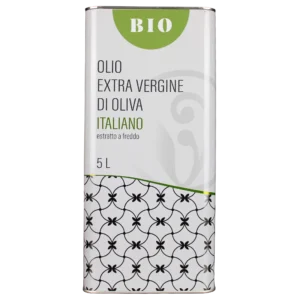
Our Ravece extra virgin olive oil, produced at the Contedoro mill, undergoes certified panel tests that guarantee its excellence. Rich in polyphenols, it has an intense green fruity character, with notes of cut grass, artichoke, and almond. The pungent sensation in the throat and the balanced bitterness tell the story of the Irpinian hills, where every olive is milled within 24 hours of harvest.
If you want to truly learn to recognize good EVOO, taste ours. Trust your senses: taste does not lie.