
Do you really know if the oil you use every day is quality extra virgin? There are significant differences on the market, and recognizing authentic EVO oil can seem difficult. In this guide, we will examine the fundamental criteria for understanding if an oil is truly good: sensory analysis, label, storage, and simple tests to do at home.
An oil is extra virgin when it has zero sensory defects, has a fruitiness greater than zero, and meets precise chemical parameters: free acidity ≤ 0.8%, low oxidative values, correct extraction. In practice, it requires healthy raw materials, olives harvested at the right time and milled quickly. The label “low acidity” is not enough if aromas and taste are missing.
Color alone does not determine quality. Intense green or golden yellow depends on cultivar and chlorophylls. Initial cloudiness can be normal, but over time filtering ensures stability. Aroma and tasting matter more.
A true EVO oil must have fresh and vegetal aromas: cut grass, green tomato, almond, artichoke. Odors of mold, dampness, or rancidity are defects to avoid.
Bitter and pungent are positive signs. They indicate the presence of polyphenols and freshness. A flat or characterless oil is a sign of poor quality.

A quality oil can also be recognized by its label. Check the origin (preferably 100% Italian or PDO/PGI), the indicated cultivar (e.g., Ravece, Coratina, Frantoio), the harvest year, and the best-before date. Also important are the “cold extracted” label, the batch number, the bottler, and certifications. Vague labels are a warning sign.
Glass test: warm a little oil between your hands and smell it; it must have a clear and pleasant fruitiness. Spoon tasting: it must present harmonious bitter and pungent notes. Neutral bread: the oil must emerge with character, not disappear.
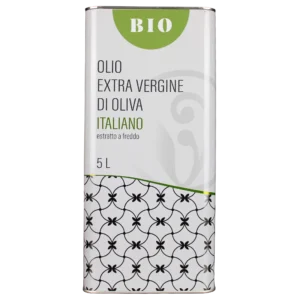
A quality EVO oil is always protected by a dark bottle or tin. Light and heat accelerate oxidation. Store between 12 and 20°C, away from the stove, closing the bottle tightly. It is better to purchase moderate and fresh quantities.
Choosing only based on color or price, leaving the oil near heat, always using the same oil for everything, and not checking the harvest year are habits that cause quality loss.
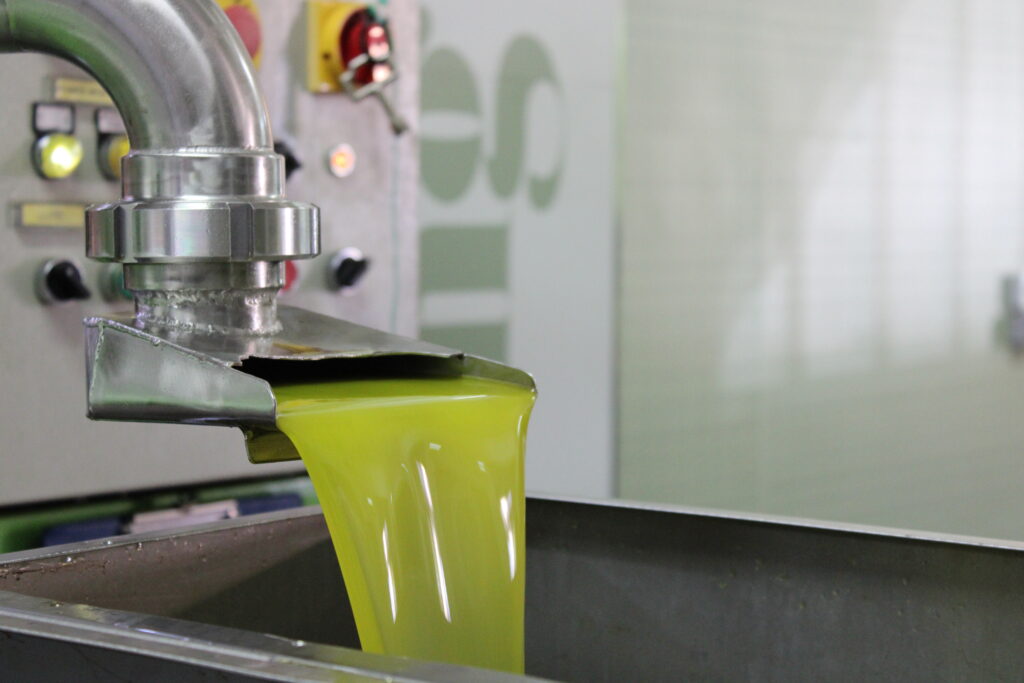
A good extra virgin contains more polyphenols, is good for health, lasts longer, and performs better in the kitchen: less is needed to add flavor and it enhances every dish.
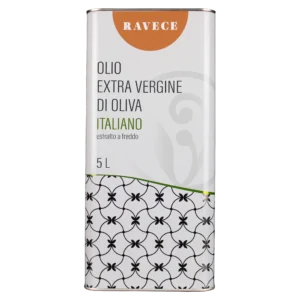
The Ravece cultivar, typical of Irpinia, is a concrete example of high-quality extra virgin olive oil. Its intense fruitiness presents notes of green tomato, grass, and almond. On the palate, it has balanced bitter and pungent notes, a sign of phenolic richness. Perfect raw on bruschetta, legumes, soups, grilled vegetables, and traditional dishes. Discover our Contedoro Ravece Oil: the essence of an authentic extra virgin that combines taste, health, and tradition.
| Category | Sensory defects | Acidity (max) | Practical notes |
|---|---|---|---|
| Extra Virgin (EVO) | 0 | 0,8% | Fruitiness present, clean profile |
| Virgin | Slight defects allowed | 2,0% | Lower quality, fewer aromas |
| Olive oil | Refined + virgin | n/a | Aromas almost absent |
| Olive pomace oil | Refined + virgin | n/a | Technical use/cooking, little character |
Is oil that stings defective? No, the sting is a virtue linked to polyphenols. If excessive, it may only be unbalanced, but it is not a defect.
Does intense green color mean better quality? No. Color depends on cultivar and chlorophylls; aroma and tasting matter.
What does “cold extraction” mean? That during extraction the temperature does not exceed 27°C, preserving aromas and noble compounds.
Better filtered or unfiltered? Filtered is more stable over time. Unfiltered can be pleasant when new but oxidizes sooner if not decanted.
Is extra virgin needed for frying? Yes, it withstands cooking well thanks to its composition. Prefer medium profiles to avoid overpowering flavors.
Recognizing quality extra virgin olive oil means observing the label, aroma, taste, and storage. An authentic EVO is health, taste, and territory. Do you want a reliable reference? Taste Contedoro Ravece, the fruit of Irpinian tradition and a guarantee of superior quality.