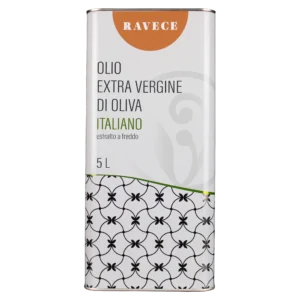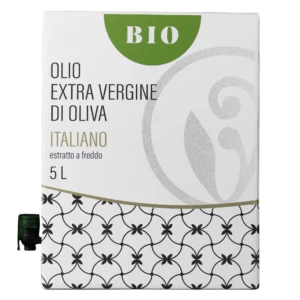

Olive oil is the product par excellence of the Mediterranean agri-food tradition. With a mild and characteristic flavor, featuring a pleasantly almond-like aftertaste, the oil we use to produce oils is obtained exclusively through techniques that allow for the preservation of the organoleptic and chemical-physical characteristics of the plant species from which it originates.
Olive oil is composed almost exclusively of lipids, fatty acids present in different percentages. In olive oil, however, other beneficial nutrients are not lacking: in addition to antioxidants, there are phytosterols, vitamins E, A, and D, mineral salts such as sodium, potassium, iron, and calcium, and B-carotene.
Including olive oil, especially new oil, in the daily diet brings numerous advantages, although excessive use is entirely discouraged, especially for those who must follow a diet low in calories and fats. For those who need to keep cholesterol under control, however, the consumption of olive oil is indicated within certain limits, but the benefits also concern the reduction of risks of developing certain pathologies such as atherosclerosis and Alzheimer’s disease.
Other potential advantages derived from the consumption of olive oil as a condiment concern the prevention of various types of cancers, including colon cancer, as well as other diseases affecting the gastrointestinal system and diabetes itself. Furthermore, some studies seem to highlight the utility of olive oil in protecting the health of the arteries and the heart.
Moreover, seasoning foods with raw olive oil can represent a valid remedy for combating constipation, thanks to its laxative potential.

What is olive oil composed of? What are the fatty acids contained within it?
We can identify its composition and the fatty acids present within it according to some guidelines, namely:
Let us now analyze each of them in detail.
The fatty acid composition varies in relation to the olive variety, the degree of ripeness of the drupes, the climate, and the harvest period. However, there are two main fractions to take into account:
The saponifiable fraction and the unsaponifiable fraction.
The saponifiable fraction consists almost entirely of triglycerides, accompanied by small amounts of diglycerides and monoglycerides, especially in more acidic oils (for example, about 10% in lampante oils and about 20% in solvent-extracted oils). 85% of the acids present in the glycerides are unsaturated, and of these, 70–80% consists of oleic acid and about 10% of linoleic acid: a good quality index is the ratio between these two acids, and in extra virgin olive oil, the ratio between oleic acid and linoleic acid must be greater than or equal to 7.
Polyunsaturated fatty acids are present in small quantities, but are optimal for our organism: in fact, despite being essential acids (not synthesizable by humans, but indispensable for some of their metabolisms), they are easily autoxidizable, producing peroxides and related decomposition products, substances harmful to the human organism, so much so that some American studies seem to have shown that their accumulation in tissues may be responsible for causes of cancer.
A fundamental characteristic of the unsaturated acids present in the glyceridic fraction of virgin olive oil is having isolated double bonds. This allows for the recognition of possible fraud involving blending with rectified oils because these contain a certain amount of acids with trans double bonds, for example elaidic acid (detectable with infrared analysis), and with conjugated double bonds (detectable with ultraviolet analysis).
The remaining 15% of the fatty acids constituting the glycerides in olive oil are saturated, and among these, palmitic acid (7–15%) and stearic acid (1.5–3.5%) prevail.
The unsaponifiable fraction consists of a large group of microcomponents that have the common characteristic of not forming soaps when treated with a strong concentrated base under heat. Even if present in modest quantities (about 1%), it is very important from a nutritional point of view, from an analytical point of view, and for checking the authenticity of the oil.
Originating from the olive fruit, the unsaponifiable matter, rich in vegetable squalene, tocopherols, and carotenes, is also known and appreciated in the pharmaceutical field for its well-known soothing, softening, and sebum-restoring properties.
It is particularly used for dry and dehydrated skin. Thanks to its ability to stimulate fibroblasts, it also performs a valuable preventive action against wrinkles and skin sagging.
The unsaponifiable matter plays an important role both from a nutritional and a commercial point of view, contributing to the identification of possible fraud. The composition of the unsaponifiable fraction of olive oils is quite different from that of other dietary fats and other vegetable oils.
The unsaponifiable matter of olive oil is a natural base for cosmetic creams obtained from pure Mediterranean olive oil, a wonderful ingredient for high-quality cosmetics thanks to its emollient and skin-restoring properties, as well as its emulsifying and stabilizing action on the other precious ingredients in this formula. Furthermore, it also contributes to the estrogenic effect of phytoestrogens in plant extracts, as it is also rich in phytosterols, which have a further specific action on the skin, improving tone, collagen content, and hydration, strengthening and nourishing it deeply. All the benefits of a natural concentrate from olive oil to facilitate the absorption of active ingredients.
Oleic acid is a monounsaturated fatty acid belonging to the omega-9 fatty acid family, so called because their only carbon/carbon double bond is located on the ninth carbon atom relative to the last carbon atom of the chain, called the omega carbon. From a dietary point of view, oleic acid is found in large quantities within olive oil, which represents its richest dietary source.
Oleic acid is known for its beneficial effects on the cardiovascular system: in particular, it would seem to exert antioxidant effects and be able to maintain normal blood cholesterol levels (specifically levels of so-called “bad” cholesterol) and reduce blood pressure values. The EFSA, the European Food Safety Authority, has authorized the use of products based on oleic acid with the indication of maintaining normal cholesterol levels; the European Authority specifies that “the replacement of saturated fats in the diet with unsaturated fats such as oleic acid contributes to the maintenance of normal blood cholesterol levels.”
Olive oil also exerts anti-hypertensive and antioxidant effects and, in general, protective effects for the health of the cardiovascular system. Although it is now known that a diet including a good use of olive oil contributes to preventing cardiovascular diseases, it is advisable not to overdo the quantities: olive oil is indeed a very high-calorie food – a single tablespoon provides nearly 100 calories – and can easily predispose to weight gain (an element that alone represents an important cardiovascular risk factor).
Oils rich in oleic acid (and therefore in particular olive oil) are more resistant to high temperatures and, during cooking, are more stable: that is, they develop a lower quantity of compounds harmful to human health than those developed by more unstable oils; for this reason, olive oil would be the most suitable for use in frying.
Recent studies conducted at the authoritative University of California have brought to light an important discovery useful especially for those who need to quell excessive hunger.
The main protagonist of the research was oleic acid.
Scholars have highlighted how Oleic Acid is very useful for quelling appetite through the release of a specific molecule, OEA. The OEA released in the small intestine would act as a linking sensor between fat consumption and satiety, thus reducing the sense of hunger.
Linoleic acid is an essential fatty acid, as it is indispensable for maintaining the body in good health. Since our body is unable to produce it, it must be taken through diet or supplements. It is a polyunsaturated fatty acid because it possesses more than one carbon/carbon double bond. It belongs to the omega-6 fatty acid family, so called because from the point of view of chemical structure, the first carbon/carbon double bond that characterizes them is located on the sixth carbon atom relative to the last carbon atom of the chain, called the omega carbon. From a dietary point of view, it is present in good quantities in some types of oils, such as sunflower and corn oil, but also in dried fruit, wheat germ, and soy. There are several derived forms of this essential fatty acid, the most famous of which is the conjugated form (conjugated linoleic acid).
Linoleic acid is an omega-6 fatty acid, found mainly in vegetable oils and, in smaller quantities, also in meat and dairy products. With the evolution and change of diet over the years, the amount of CLA introduced daily has decreased. CLA is primarily a supplement for weight loss management, as it is believed to increase metabolic rate and fat metabolism.
Several properties are attributed to linoleic acid, which justify the inclusion of this substance as an ingredient in various supplements. It seems to play a role in maintaining the health of cell membranes and promoting cell growth and would be involved in the synthesis of some molecules implicated in important processes such as blood clotting and the mediation of the inflammatory response. Linoleic acid would also be able to keep blood cholesterol levels under control.
According to the EFSA guidelines, the European Food Safety Authority, linoleic acid contributes to the maintenance of normal blood cholesterol levels. The EFSA specifies that in order to enjoy the beneficial effects of this substance, it is necessary to consume 10 grams per day.
Triglycerides constitute about 95-98% of olive oil and are found almost exclusively in the pulp. The peculiar characteristic of the triglyceride composition of olive oil is represented by the particular balance in the acidic composition: compared to other dietary fats, the percentage of oleic acid and linoleic acid is higher, while the concentration of unsaturated acids is moderate.
This high percentage of mono- and poly-unsaturated fatty acids is particularly important from a medical point of view.
Unsaturated fatty acids are essential for the diet and must be taken directly, as they cannot be synthesized by the body or can only be synthesized in limited quantities. After ingestion, they are transformed into other compounds, functioning as precursors of molecules that perform regulatory actions in the body for important physiological functions, such as platelet aggregation, blood pressure, and muscle contraction.
They are also incorporated, with energetic and plastic functions, into tissues and organs.
Triglycerides in olive oil are essential elements for health; in fact, this high content of fatty acids boasts numerous beneficial properties for the organism. Firstly, they are able to regularize the body’s physiological functions and at the same time provide numerous virtues for the muscles and blood pressure. Triglycerides also play an important role regarding platelet aggregation, as they reduce the risk of developing damage to the circulatory system. For this reason, it is important to regularly integrate olive oil into a balanced diet, as daily intake helps reduce blood cholesterol and ensures an antioxidant action, as well as promoting bile secretion. Specifically, oleic acid reduces lipid peroxidation phenomena, consequently decreasing the amount of cholesterol. This process is given precisely by the triglycerides that form lipoproteins, which are the substances responsible for transporting cholesterol in the blood. Naturally, a diet rich in saturated fatty acids will correspond to a high amount of cholesterol: that is why it is fundamental to follow a balanced diet, consuming the right percentages of saturated fats and larger quantities of unsaturated fats.
The polyphenolic heritage is the most precious characteristic of virgin olive oil, unique among vegetable fats for being rich in them. These substances, which contribute to giving it its characteristic fruity aroma and pungent and bitter taste, are endowed with high antioxidant power. Extra virgin oil, thanks to these components, is the most shelf-stable fat and possesses the highest biological value. For these reasons, the qualitative and quantitative determination of the polyphenolic content of virgin olive oils represents one of the most significant analyses for the purpose of determining quality parameters.
Polyphenols are natural substances capable of providing numerous benefits to the organism. They are distinguished into three categories: simple phenols, tannins, and flavonoids and compose various foods including fruit, wine, oil, or tea. Polyphenols contain a high amount of nutritional properties capable of performing an antioxidant action, which is essential for countering free radicals, preventing cellular aging, and reducing the risk of cancers.
Oil polyphenols play an important role in human health and impact the quality and shelf life of the product. Various studies on the polyphenols present in extra virgin olive oil have found numerous benefits for human health. In particular, polyphenols perform multiple functions, including antibacterial, antiviral, antioxidant, and anti-inflammatory actions. It has also emerged that these substances can prove useful in the prevention of chronic-degenerative pathologies such as cancer or cardiovascular diseases. The polyphenol content present in extra virgin olive oil and in plant-based foods contributes to maintaining the right level of blood cholesterol, preventing the formation of atherosclerotic plaques.
Further positive effects have been attributed to polyphenols: in fact, these molecules are also able to counter premature aging and reduce the risk of developing degenerative pathologies of the nervous system.
For this reason, extra virgin olive oil proves to be a therapeutic food when integrated into a healthy and balanced diet: it is no coincidence that this product has been called Nutraceutical.
There is a relationship between polyphenols and the aromatic flavor of the oil. According to studies, in fact, polyphenols are responsible for the bitter and pungent notes of extra virgin oil. The variety, production area, and agronomic and extraction techniques also seem to influence the aromatic flavor.
What has been confirmed by studies is the great importance of extra virgin oil for our diet. In particular, the “secoiridoid” subfamily would favor the prevention of cardiovascular diseases and the appearance of some types of cancer cells.
So do not be misled by the alleged total polyphenol content of extra virgin oil; this data, without further specifications, risks being misleading for you and for consumers in general.
They still constitute an important reference class in studies and analyses of olive oil today, not having been, until now, involved in any genetic manipulation, as has happened, for example, with the composition of fatty acids. They constitute a sort of fingerprint that allows for the identification of fatty substances of different origins. The characteristic sterol of vegetable oils is b-sitosterol, while the characteristic one of oils of animal origin is cholesterol.
Polyphenols give the characteristic flavor to the oil; the more there are, the more pungent and fruity it is, just as it is the polyphenols in grapes that substantially decide the characteristics of a wine. It is a family of chemical compounds strongly re-evaluated by nutritionists because they have the merit of being antioxidants, thus fighting the body’s “free radicals” capable of activating forms of cancer and other diseases; furthermore, polyphenols favor the reduction of so-called bad cholesterol (LDL) circulating in the blood, which thus remains more fluid and with less risk of heart attacks.
Italian olives, especially those from the center-south, generally contain more polyphenols. Among other things, polyphenols, with their antioxidant action, extend the life of the oil, whose alteration is due, precisely, mainly to the action of oxygen: there are southern oils that even after two years splendidly maintain their original chemical and organoleptic characteristics, while the normal duration of an extra virgin is one year, even if bottlers tend to exaggerate with the expiration date.
Tocopherols are a fat-soluble natural antioxidant, and therefore perform a protective function against polyunsaturated fatty acids, which are responsible for so-called bad cholesterol.
The value of tocopherols contained in olive oil, together with that of polyphenols and the score obtained in the panel test (the test to evaluate the quality of olive oil for commercialization) is one of the determining factors for consumer health.
Extra virgin olive oil is one of the foods richest in vitamin E. The tocopherols (vitamin E) contained in extra virgin olive oil consist mainly of α-tocopherol, one of the 4 existing types of tocopherols, which represents about 90% of the total tocopherols in extra virgin oil.
Furthermore, tocopherol is an essential and vital vitamin nutrient for humans, a powerful fat-soluble antioxidant present in many plants, for example in fruit, hemp oil, olive oil, argan oil, and especially in wheat germ oil. Tocopherol is one of the main compounds called vitamin E, so it may happen to find it under the name “vitamin E.”
Organic pigments have antioxidant properties, perform a protective action against chronic-degenerative diseases such as cancers, protect the skin, slow down skin aging, and prevent pathologies related to vision. The oil contains the following carotenoids: Lutein, Violaxanthin, Neoxanthin, beta-carotene, beta-cryptoxanthin, and Luteoxanthin.
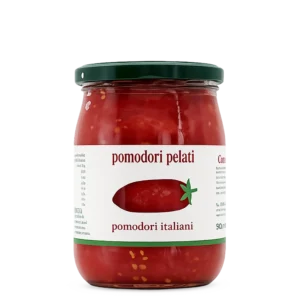
Carotenoids, plant pigments that prevent cellular aging, mainly contained in red vegetables, are very important for our health. However, it is not enough to eat this type of vegetable to absorb them: for the intestine to be able to absorb them best, it needs help, namely extra virgin olive oil. This is demonstrated by research from the University of Massachusetts, which showed how EVOO is able to multiply, by four to five times, our body’s ability to absorb carotenoids from tomatoes.
Through a simulated gastrointestinal tract, scholars have indeed verified the bioavailability of carotenoids taken as they are, raw in salad, or cooked: the values were 8.18 and 11.85. If instead the tomato, raw, is simply seasoned with extra virgin olive oil, the bioavailability increases up to 32.3. In the case of cooking tomatoes with extra virgin olive oil, the bioavailability value reaches its peak: 55.7. The researchers first of all highlighted how cooking increases the bioavailability of carotenoids compared to the raw product, probably because the breakdown process is better able to break down tissues, thus allowing carotenoids to be more easily absorbed.
However, extra virgin olive oil is the true secret for the maximum bioaccessibility of these important nutrients. Furthermore, the phenols contained in extra virgin olive oil, during the emulsion phase, are able to protect carotenoids from premature oxidation, thus making them available to our organism. Such research further enhances the health aspect of the Mediterranean Diet, in which the two foods play the role of absolute protagonists.