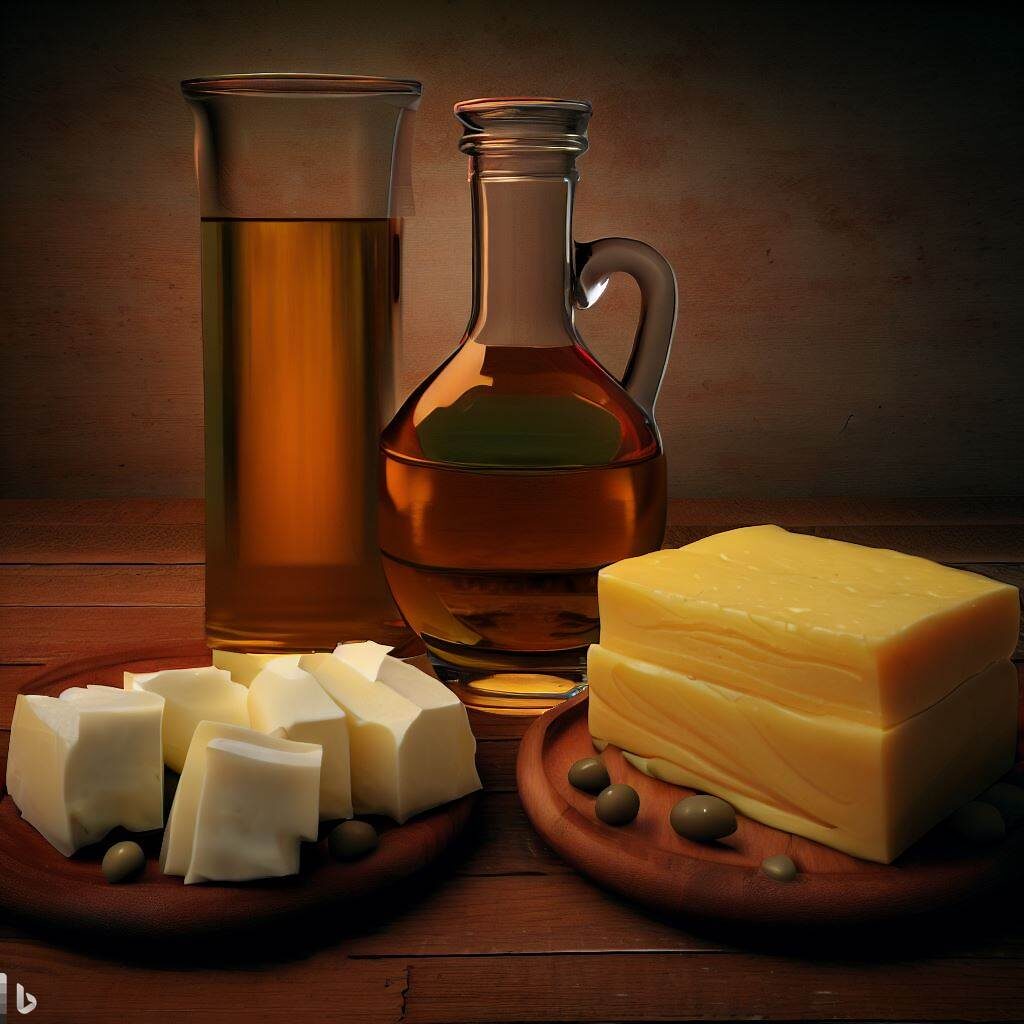
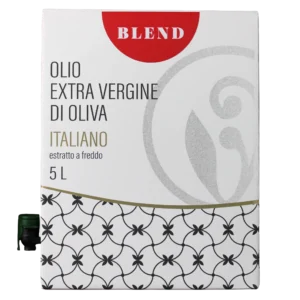
Butter is a traditional ingredient in the preparation of many dishes, but oil can offer advantages in terms of health and flavor. In this article, we will explore the situations in which it is recommended to replace butter with oil and how to do so most effectively.
Advantages of oil over butter
Oil has several advantages over butter, especially when it comes to health and flavor:
Heart health: Olive oil, for example, is rich in monounsaturated fats that can help reduce bad cholesterol (LDL) and increase good cholesterol (HDL), reducing the risk of cardiovascular disease.
Higher smoke point: Oils such as canola oil or olive oil have a higher smoke point than butter, which means they withstand high temperatures better without degrading.
Versatility: Oils can be used in a wide variety of recipes, offering various options for replacing butter.
Vegan recipes: Oil is a vegan alternative to butter and can be used to create tasty and healthy dishes for those following a vegan diet.
Mediterranean diet: If you want to follow a Mediterranean diet, which emphasizes the use of healthy fats like olive oil, it is recommended to replace butter with oil in many recipes.
How to replace butter with oil
To replace butter with oil effectively, follow these tips:
Substitution ratio: In general, use 3/4 oil for every unit of butter required in the recipe. For example, if a recipe calls for 1 cup of butter, use 3/4 cup of oil.
Choosing the right oil: Choose an oil with a flavor and nutritional profile suitable for the recipe. For example, extra virgin olive oil is ideal for salads and vegetable-based dishes, while canola or sunflower oil is suitable for cooking and baking.
Keep consistency in mind: Since oil is liquid at room temperature, it may be necessary to slightly modify the recipe to achieve the desired consistency. For example, in a cookie recipe, you might need to add a little more flour to compensate for the increased liquidity of the oil.
Replacing butter with oil, when to do it?
Considerations on replacing butter with oil
Despite the advantages of oil, there are some situations where replacing butter with oil might not be the best choice:
Recipes requiring a creamy consistency: Butter provides a creamy and smooth texture to many desserts and sauces. In these cases, replacing butter with oil could compromise the desired consistency.
Flavor of butter: Butter has a distinctive flavor that can be difficult to replicate with oil. If the flavor of butter is crucial to the recipe, it may be better to use butter or look for specific butter alternatives, such as margarines without hydrogenated fats.
Solidification: Butter solidifies at lower temperatures than oils, which can affect the texture of certain dishes, such as shortbread or croissants, which require the use of solid fats.
In conclusion, replacing butter with oil can offer numerous benefits, including improved heart health, greater versatility, and a higher smoke point. However, it is important to consider the specific needs of the recipe and select the most suitable oil to ensure the best possible results.
Technician and expert in extra virgin olive oils, registered in the National Register, Campania section. Master oil miller with diploma, obtained from International Extravirgin Agency.
Manage Consent
To provide the best experiences, we use technologies like cookies to store and/or access device information. Consenting to these technologies will allow us to process data such as browsing behavior or unique IDs on this site. Not consenting or withdrawing consent may adversely affect certain features and functions.
Functional
Always active
Technical storage or access is strictly necessary for the legitimate purpose of enabling the use of a specific service explicitly requested by the subscriber or user, or for the sole purpose of carrying out the transmission of a communication over an electronic communications network.
Preferences
Technical storage or access is necessary for the legitimate purpose of storing preferences that are not requested by the subscriber or user.
Statistics
Technical storage or access that is used exclusively for statistical purposes.Technical storage or access that is used exclusively for anonymous statistical purposes. Without a subpoena, voluntary compliance on the part of your Internet Service Provider, or additional records from a third party, information stored or retrieved for this purpose alone cannot usually be used to identify you.
Marketing
Technical storage or access is required to create user profiles to send advertising, or to track the user on a website or across several websites for similar marketing purposes.