
Winter pruning of olive trees is one of the most important agronomic practices for those who desire long-lived, productive plants capable of offering healthy olives and high-quality extra virgin olive oil.
Intervening correctly during the vegetative rest period allows for guiding the development of the canopy, improving internal lighting, and maintaining the right balance between vegetative growth and production.
Pruning performed without criteria, on the contrary, can cause stress, accentuated biennial bearing, and a greater predisposition to diseases. In this complete guide, designed for olive growers, hobbyists, and families linked to rural culture, we will see when, how, and why to prune olive trees in winter, avoiding the most common mistakes.
During winter, the olive tree enters a phase of vegetative dormancy: the sap slows down and the plant tolerates cuts better. This makes pruning safer and less traumatic.
The main benefits of winter pruning are:
A well-balanced canopy produces more uniform olives and favors optimal ripening, with direct effects on the quality of the extra virgin olive oil.of the olives and allows for greater efficiency during the harvesting phase, whether manual or mechanical.
The ideal time for pruning olive trees is from late winter to early spring, just before the vegetative restart.
In areas with a mild climate, it is possible to slightly anticipate the interventions, while in inland or hilly areas, it is always preferable to wait for the end of the risk of late frosts.
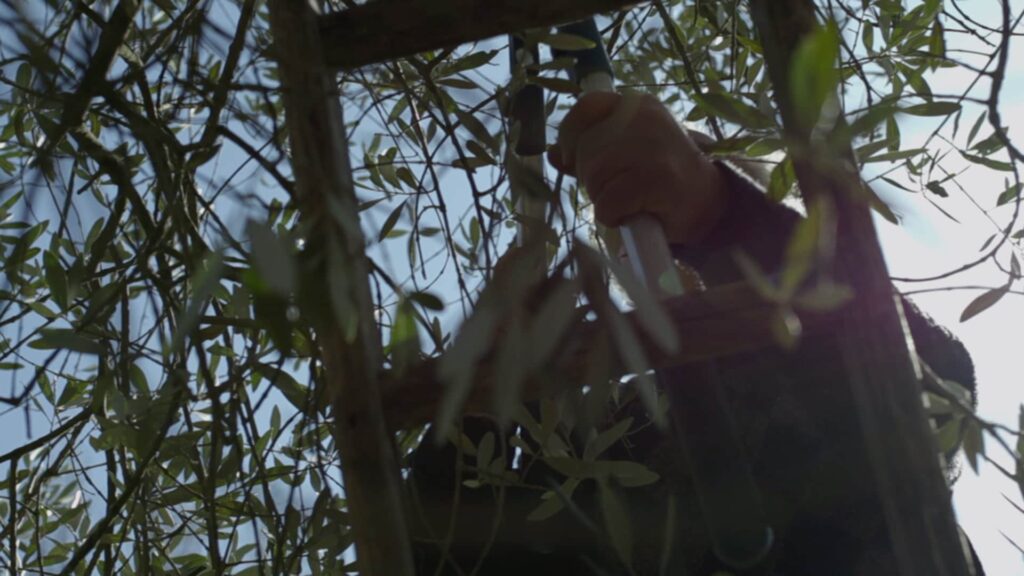
Before picking up shears and a saw, it is fundamental to remember some universal principles:
An olive tree left to grow without control produces less and of poorer quality, but an olive tree pruned excessively reacts with vegetative vigor and little fruiting.and deep and requires expertise so as not to compromise the vitality of the plant.
The most widespread and recommended training system is the polyconic vase, which involves:
This structure allows for:
lower incidence of pathologies
better exposure to light
greater ease of harvesting
reduction of internal humidity
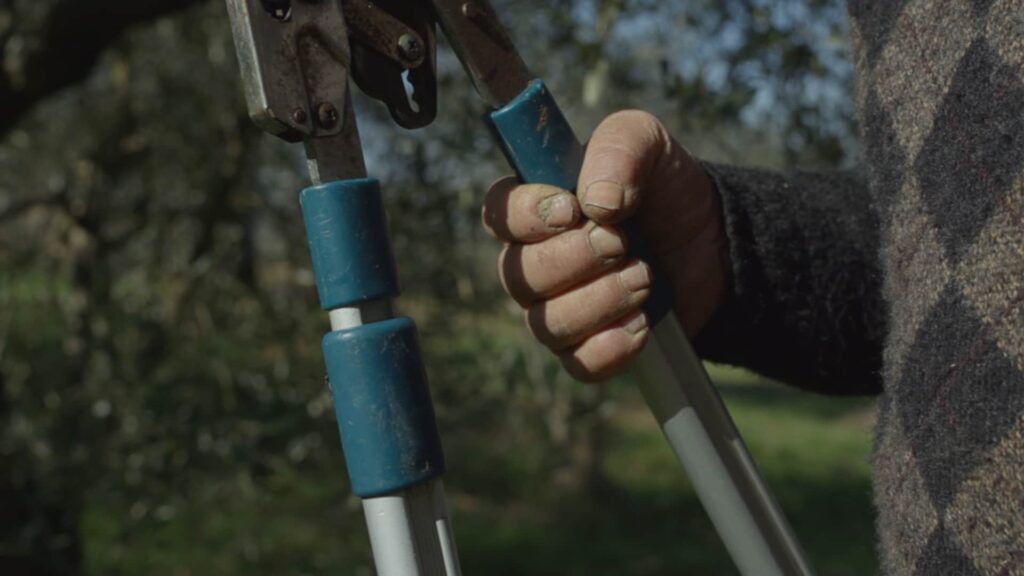
Cuts must be sharp, clean, and never flush. It is always appropriate to:
Large cuts should be performed first, so as to immediately define the structure of the plant and then proceed with the internal finishing.
Vigorous water sprouts on the back of the branches → to be removed
Weak and well-positioned water sprouts → can be left for renewal
Suckers at the base → almost always to be removed
Intelligent management of water sprouts allows for rejuvenating the plant without stressing it.
Pruning wounds are one of the main entry points for olive knot, a very common bacterial disease.
Fundamental good practices:
Prevention is always more effective than cure.
❌ pruning too severely
❌ leaving permanent shaded areas
❌ completely topping the crown
❌ using dull tools
❌ pruning during frost
Every mistake is paid for in the following years with a drop in production and stressed plants.
Well-sharpened tools mean clean cuts and faster healing.
A balanced plant produces:
Pruning is therefore the first step towards an excellent extra virgin olive oil, an authentic expression of the territory and agricultural tradition.
Winter pruning of olive trees is not an operation to be improvised, but a true act of care toward the plant. Respecting the timing, observing the natural structure, and intervening with criteria allows for obtaining long-lived, productive olive trees capable of offering superior quality olives.
By following these principles, one preserves not only the productive yield but also the cultural and agricultural value of olive growing, a fundamental pillar of the Mediterranean tradition and the Contedoro philosophy.