
Extra virgin olive oil, as we know, is one of the basic ingredients on which the Mediterranean diet is centered; thanks to its countless characteristics, it is indeed a true elixir of long life and a boon for the body.
But how do you choose the right one? Do we really know what elements we need to consider when purchasing?
In this article, we will provide you with a series of tips to avoid making the wrong choice.
Olive Oil: What You Need to Know?
The choice of vegetable oils available on the market is very wide, and obviously not all oils are equal, both in terms of organoleptic properties (which affect the final taste of the dish we eat) and in terms of beneficial effects on the body.
So, how do you navigate the “jungle” of the oil market?
The first thing to do is analyze the main differences between the various types of olive oil:
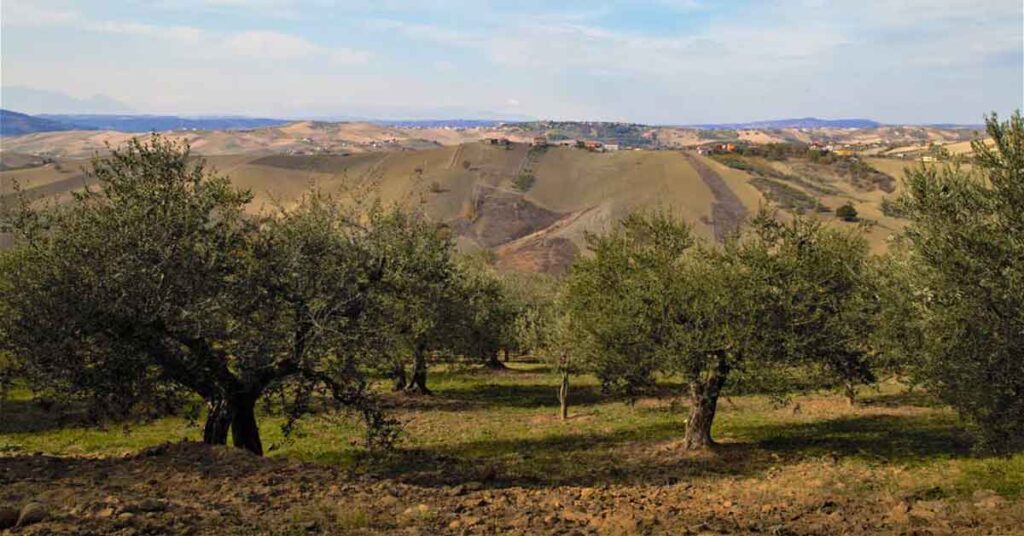
- Extra virgin olive oil (more commonly known by the acronym EVO): comes from the first pressing of the olives, contains no more than 0.8% acidity, and is considered to have superior taste. EVO oil is so called because it has not undergone any refining process and is, without doubt, the healthiest, the best in the range of olive oils, therefore it should be the oil that dresses your salads.
- Virgin olive oil: the name indicates that this oil has not undergone any refining; however, it has a higher acidity content (1-4%) compared to extra virgin, so it retains only some of its natural aromas and flavors.
- Olive oil: this is the oil found in abundance on supermarket shelves. It is usually a blended oil, composed of virgin olive oil mixed with refined olive oil of lower quality. The quality and price depend greatly on the brand and the blend. It may be suitable for cooking but is not ideal for raw dressings since it has lost most of the organoleptic properties typical of EVO.
- Pomace oil: this is an oil that has undergone many refining processes; in practice, it represents what remains after completely pressing the olive. It is a low-quality and very inexpensive product. It should be used for cleaning products rather than for cooking and food consumption.

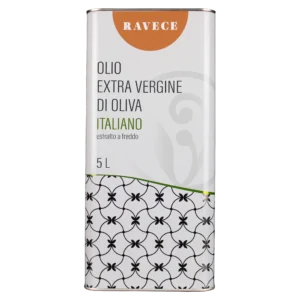
- Choose olive oil packaged in dark bottles: In olive oil storage, the main problem is rancidity, caused by oxidative degradation reactions accelerated by the presence of light. The dark color helps prevent oil oxidation, thereby slowing down the deterioration and rancidity process. Tin cans can also be a valid packaging system, especially because the quality of tin has improved over the years: it is, in fact, made from a single metal without welding. It is also important to buy oil in containers sized for actual use; for example, it is pointless to get a “family pack” if you are single and eat out often—there is certainly a savings advantage, but in the end, you use rancid oil.
- Avoid low-cost supermarket oil: Do not be fooled by low-cost offers; always read the label, taste the oil raw, appreciating its aroma and flavor, and by comparing a low-cost bottle with a good-quality bottle, you will immediately notice the difference in taste and the typical smell of extra virgin olive oil compared to any blended oil. If you are in doubt and if the quality of the oil you usually buy at the supermarket does not satisfy you, try contacting producers directly, visit olive farms, and ask to taste the products.
- Read the labels: In the food sector, knowing how to read labels is a guarantee for purchasing a quality product. Beware of unclear labels that have tiny writing and are unclear about the origin of products. Labels must clearly indicate brand, production process, place of production, and product characteristics. Food product labeling must meet 3 fundamental characteristics: be clear, legible, and indelible. For extra virgin oil, for example, they must include product name, sales description, nominal volume, and expiration date by which to consume it.
- Choose organic olive oil: Organic certification is always a guarantee, not so much about product quality, but about the fact that it is healthy. Buying organic extra virgin oil means knowing that it is the result of more natural agriculture, in which no chemical products were used. Organic oil will be of superior quality and will not contain traces of pesticides and potentially harmful substances. Furthermore, large oil producers might resort to chemical correctors to hide the oil’s acidity. Therefore, choose extra virgin oil preferably from small farms and organic.
- Choose DOP and IGP olive oil: If you really want to be safe, choose DOP or IGP extra virgin olive oil, which protects and safeguards against counterfeiting throughout Europe. All DOP or IGP branded products must comply with a very specific specification. The acronym DOP stands for Protected Designation of Origin and guarantees the origin and characteristics of an oil. An EVO oil must meet certain criteria to have the DOP mark, specific to each DOP and each geographical area, also relating to the origin and variety of olives used. Certified oil undergoes organoleptic checks on the product and throughout the entire supply chain. Buying a DOP extra virgin olive oil means knowing where the olives come from, with the assurance of having 100% Italian oil. The specifications contain rules regarding cultivation, harvesting, and packaging of the oil and must be strictly followed.
- Cold-pressed olive oil: Cold pressing allows the nutritional and physical characteristics of extra virgin olive oil to remain unaltered, keeping the properties intact and enhancing the benefits derived once consumed. The first cold pressing refers to the temperature of the crushed olive paste, which must not exceed 27 degrees during the malaxation phase (mixing). Crushing can occur according to different techniques: the first (the traditional one) involves the rotation of large stone wheels (granite) on the olives, which will be pressed subsequently; the second involves the use of mechanical crushers and decanters through a method that could be defined as “continuous” because it has no pauses. In the latter case, it is more correct to speak of “cold extraction,” and this is the most widely used method because it allows for improved hygiene standards of products and optimally meets the needs of consumers and the market. The first cold pressing allows the content present in the fruits to be extracted while preserving the quantity of minerals, vitamins, and substances rich in antioxidant properties for the body. The main phases are: washing, grinding or malaxation, pressing, centrifugation, and filtration, always with mechanical methods.
All bottles of extra virgin olive oil bear on the label the inscription “Superior category olive oil obtained directly from olives and solely by mechanical means“.
So what makes the first cold pressing or cold extraction such an important method?
It is a choice capable of preserving the essence of a fruit and allows for producing a quality food through production phases whose purpose is to enhance the virtues of extra virgin olive oil.
Want to know more about how to read the olive oil label?
Also read >>> Extra virgin olive oil: how to read the label